

Product liability lawsuits commonly involve products such as vehicles, cribs and other baby products, over-the-counter and prescription drugs, medical devices, medical equipment, tainted foods, household products, toys, appliances, and even fireworks.
How do products become dangerous? Some defective products are produced due to a manufacturing mistake, while others have design flaws that make them inherently prone to causing injury. In other cases, products may not have been advertised correctly or the company that made or sold the product did not properly warn users of foreseeable dangers or how to safely use their product.
If you or a loved one has been injured due to a defective or otherwise unsafe product, we urge you to call Rasansky | McKenzie Law and discuss the facts of your case with our attorneys (for free) at (214) 651-6100.
Read more on product liability.
These Philips Respironics Ventilators, BiPAP, and CPAP Machines have potential high risks, and individuals and healthcare providers have been warned that Philips has recalled certain devices.
There is a risk of the polyester-based polyurethane (PE-PUR) sound abatement foam breaking down and entering the air pathway of the device. This sound abatement foam reduces sound and vibration in the devices. This black debris of this foam or other chemicals entering the device’s pathway could be swallowed or inhaled by individuals using the device and their health being affected.
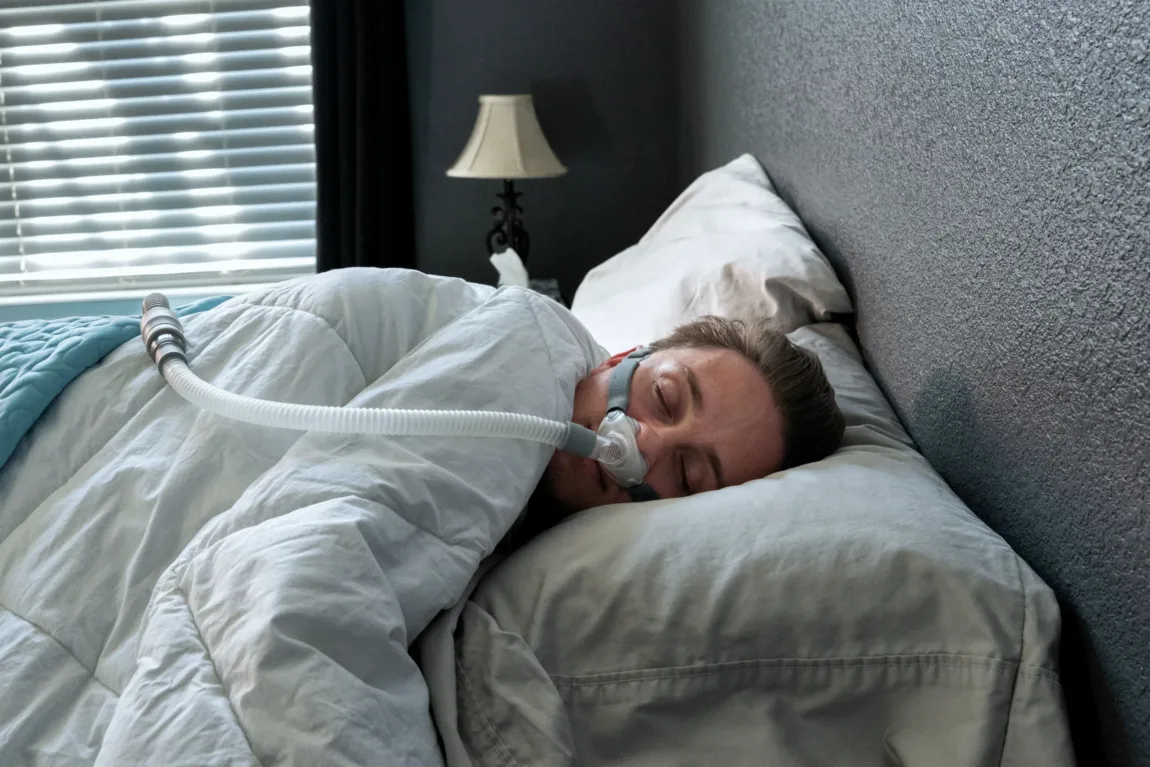
The following devices were recalled by Philips:
- Trilogy 100
- BiPAP A30/A40 Series Device Models
- DreamStation
- Dorma 400 and 500
- SystemOne (Q-Series)
- Aeris
- C-Series ASV
- REMstar SE Auto
- E30
- Trilogy 200
- Garbin Plus
- LifeVent
- BiPAP V30
Phillips has announced that they would recall all devices manufactured between 2009 and April 26, 2021.
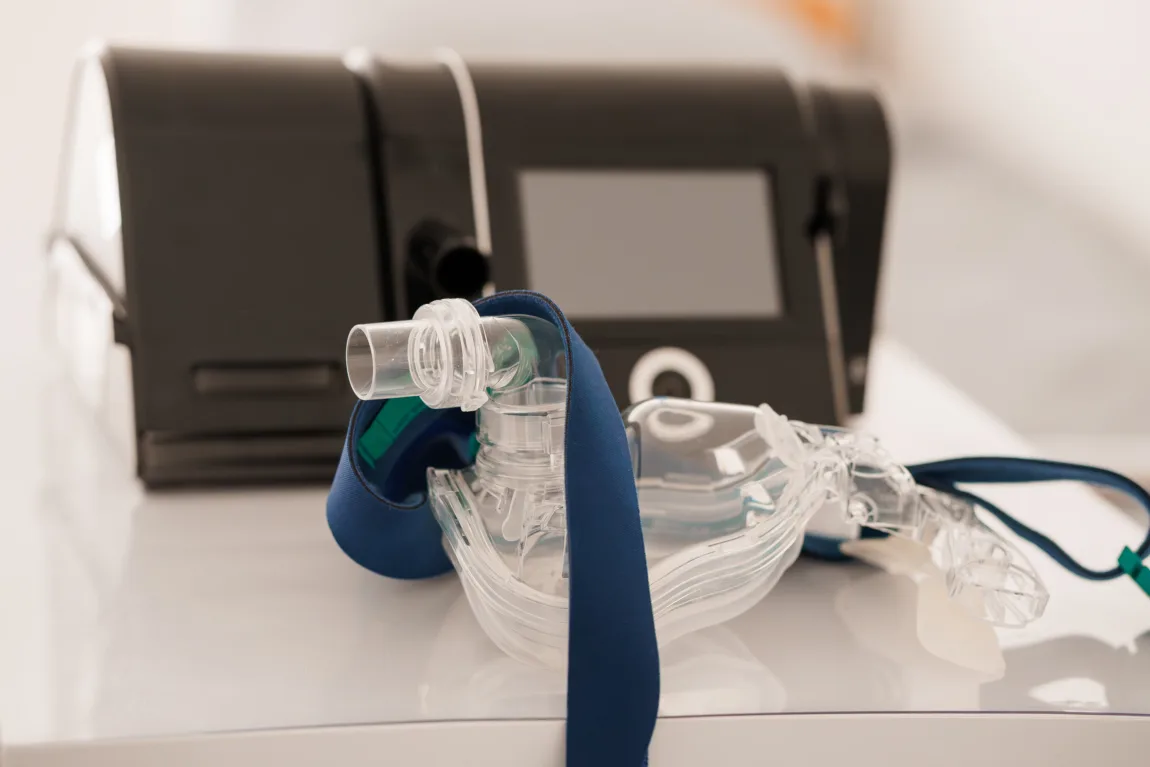
The company announced earlier this year, in June, that the foam in these breathing devices could disintegrate into smaller particles and users could inhale this along with harmful chemical emissions. Being exposed to these particles and emissions is extremely harmful and can also cause cancer.
FDA has already recorded 1200 complaints against this device along with 100 injuries caused by it. Based on the company’s shipment records, this recall has affected an estimate of 3 to 4 million devices all around the world between July 2009 and April 2021. Half of these devices were sold within the US.
The potential consequences after the exposure to the foam could be headaches, inflammation, dizziness irritation, possible carcinogenic effects as well as respiratory issues like asthma. Other than the risks mentioned above, exposure to the chemical emissions could also cause nausea/vomiting and hypersensitivity, kidney, liver, and other organ problems.
The first step that needs to be taken is contacting your healthcare provider and discussing your case with them. Here’s what you can do in the meantime:
- Stop using your device.
- Use another device that has not been recalled.
- Consider alternative treatments for sleep apnea. Some examples are oral appliances, positional therapy.
- You could also initiate long-term treatments for sleep apnea like losing weight, alcohol avoidance, and cutting back on smoking.
- Surgery is another option in the case of severe sleep apnea.
While following these steps, the most important thing to do is talk to your healthcare provider and discuss your potential options.
PE-PUR foam is generally harmless but if it disintegrates, it releases chemical gases and particles and if these are inhaled through the nose or mouth by consumers, it could cause potential health risks.
These injuries could cause permanent damage and even death. Looking at the foam in your device, it might seem it is not breaking down and is intact. But do not risk it, talk to your healthcare provider and consider alternative treatments.
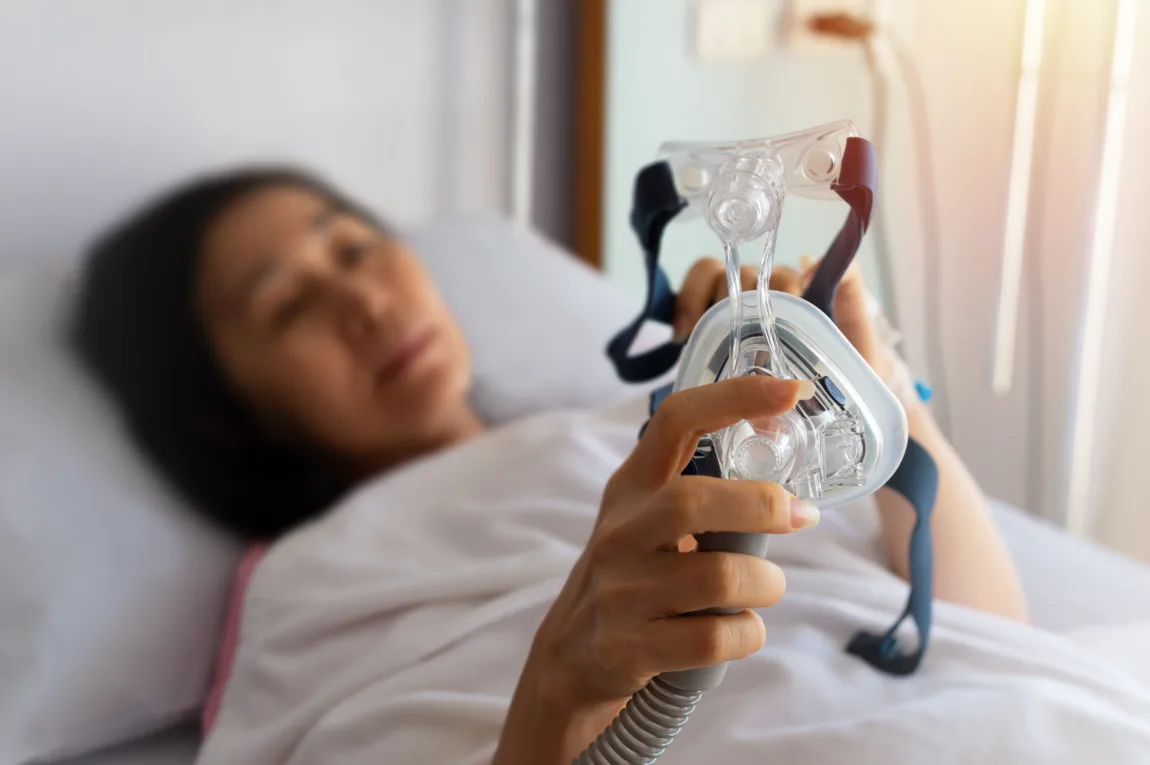
Philips conducted a lab analysis and found the following chemicals that have the potential for severe harm in the disintegrated foam:
Toluene diisocyanate:
This liquid is used in creating foams. Health hazards are damage to the eye, irritated skin, cancer, respiratory irritation. If inhaled, this could be fatal.
Oluene diamine:
This is used to create dyes, hydraulic fluid, polyurethane. This could cause genetic defects, reactions to the skin, cancer, fertility damage as well as organ damage. It is highly toxic to the human body.
Dimethyl diazene:
This gas is used in the production of other chemicals.
Diethylene Glycol:
This solvent is used to manufacture other chemicals. These chemicals can cause irritation to the skin, eyes as well as mucus membranes. It can also be slightly toxic if inhaled.
Phenol, 2, 6-bis (1,1-dimethylethyl)-4-(1-methylpropyl):
This is also used to create other chemicals.
The potential consequences after the exposure to the foam could be headaches, inflammation, dizziness irritation, possible carcinogenic effects as well as respiratory issues like asthma. Other than the risks mentioned above, exposure to the chemical emissions could also cause nausea/vomiting and hypersensitivity, kidney, liver, and other organ problems.
It is your legal right to file a lawsuit against a company that causes injury due to faulty, defective products. Demand financial compensation for the damage. The reason Tort law came into being was to hold careless manufacturers responsible for the damage they caused out of negligence and compensate the victims for their loss.
Product liability law is not something everyone is aware of or well versed in. To seek compensation for the damage caused by the Philips Respironics Ventilators, BiPAP, and CPAP Machines, contact Rasansky | McKenzie Law and discuss your case and the way forward.
If more than one person is filing a case against the same defective product, all the parties can come together and file a joint lawsuit. It is difficult for a court to cater to several cases for a similar issue.
There are certain requirements that need to be met in order to be classified as a group.
- Several parties are affected and wish to file a case
- Similar claims are submitted by all parties
- The representative plaintiff’s claims should accurately reflect the claims of the entire class
- The interests of the entire class should be appropriately represented by the chosen representative
Filing a class action lawsuit has a few benefits over filing an individual recall lawsuit.
- A joint case would be catered to faster than thousands of individual cases.
- Dividing the costs of the lawsuit amongst the filers is feasible than bearing the cost alone.
- The settlement tends to be greater if there are several parties filing a case.
- Your case is strengthened as there are more consumers affected and therefore, more proof.
If you have faced injury or harm by a product, you can file a recall lawsuit against the company and manufacturers. The product doesn’t necessarily have to be recalled from the market. A recall lawsuit covers damage, injury, or death caused by a defective product available in the market.
Filing a lawsuit against a product that hasn’t been recalled yet would result in the safety of other unaware consumers too.
Frequently Asked Questions
What is product liability?
When a person is harmed because of an unsafe or defective item, they may suffer serious injuries and other long-term consequences. These types of injury claims are referred to as “product liability” claims. These claims are usually filed against a manufacturer and/or retailer whose negligence contributed to the injury.
What’s the deal with this massive airbag recall? Am I entitled to a free repair?
Takata, the company who produced the defective airbags specified in this massive recall, announced in May of 2015 that they are doubling the number of recalled vehicles in America from 18 million to nearly 34 million. This is by far the largest automobile recall in history, and one of the largest consumer product recalls ever issued.
According to the National Highway Traffic Safety Administration (NHTSA), these defective airbags can explode upon inflation, sending shrapnel into the face and body of the driver and front seat passenger. At least 17 deaths and well over 100 injuries have been tied to these defective airbags so far.
Car companies affected by this recall include, but are not limited to: Acura, BMW, Chrysler, Dodge, Ford, Honda, Infiniti, Lexus, Mazda, Mitsubishi, Nissan, Pontiac, Saab, Subaru, and Toyota.
This recall is so expansive that every car owner is being asked to contact their local dealership in order to determine if their vehicle has been recalled. Alternatively, you could check the NHTSA’s recall website at https://vinrcl.safercar.gov/vin/. Be aware that the most recent additions to this recall may not show up immediately through this web app, and the NHTSA recommends that you check back periodically.
If your vehicle is listed in this recall, you’re asked to contact the manufacturer’s customer service department or your local franchised dealership to inquire about scheduling a no-cost repair. If you’ve already been in an accident and were injured by airbag shrapnel, you may very well have a valid product liability claim with which our attorneys may be able to help. Call us for a free consultation at (214) 651-6100 for more information.
Could defective tires be to blame for my car accident?
All of the major tire companies, including Goodyear, Bridgestone, Michelin, and Cooper, have all announced defective tire recalls in recent years. And each year in Texas, hundreds of car accidents are caused by tire blowouts, separated treads, belt separations, sidewall defects, and split rims. While some of these accidents may be cause simply by the age of the tire or other considerations, other car accidents are caused by tire defects that should have been prevented by the manufacturer. If your Dallas car accident was caused by a defective tire, speak to our Dallas product liability attorneys today.
Could my car fire have been started because of a product defect?
Did you know that 20 percent of all reported fires are car fires? While there are many causes of car fires (such as poor maintenance or an intentional act) many car fires are caused by a manufacturer defect or a defective auto part.
Defective fuel systems and faulty wiring are two common auto manufacturer mistakes that can lead to serious car fires, car explosions, burn injuries, and even wrongful deaths.
If you were injured in a car fire that was caused by a defect in your vehicle, you may have a valid product liability claim. To talk with a Texas automobile product liability lawyer about your case today, call (214) 651-6100.
Why are drop-side cribs dangerous?
In 2011, the U.S. Consumer Product Safety Commission (CPSC) passed a law prohibiting the sale and manufacture of drop-side cribs.
Drop-side cribs are cribs where one or both sides of the crib can be moved up and down for better accessibility. While many parents found the drop sides convenient, drop-side cribs were responsible for at least 32 infant deaths between 2000 and 2010. According to the CPSC, an additional 3,520 incidents and injuries were reported from November 1, 2007, to April 11, 2010, involving drop-side cribs. Injuries included suffocation, strangulation, entanglement, broken bones, and skull fractures. Most of these injuries and deaths occurred when a drop rail partially detached and a gap formed between the drop rail and the mattress. The child was either fell through the gap or was caught and suffocated or strangled.
Under the new guidelines, crib manufactures are required to use stronger materials and hardware. Crib slats must be well attached and drop sides are banned. While you can still find drop-side cribs at yard sales and on Craigslist.org, our Dallas product liability attorneys suggest that you purchase a crib that meets the current safety guidelines.
The Dallas attorneys at Rasansky | McKenzie Law work to hold crib manufacturers responsible for injuries caused by defective or poorly made cribs. To discuss a crib injury claim, contact Rasansky | McKenzie Law at (214) 651-6100.
How can I be sure that I'm using safe baby gear?
In October 2012, nine out 24 consumer recalls were for children’s products. Every month, at least one highchair, stroller, or baby seat seems to be recalled. You are right to be concerned.
Here are a few tips to help you choose safe gear for your child.
Strollers – Strollers are one of the most frequently recalled children’s products. Many stroller recalls are due to a large gap between the stroller grab bar or tray and the seat bottom. If an infant is not properly harnessed, the child can slip through the gap into a strangulation hazard. Other strollers have been recalled because exposed hinges can amputate small fingers. Most companies offer free repair kits to fix these issues.
Cribs – since 2007, the Consumer Products Safety Commission (CPSC) has recalled 11 million cribs. Last year, the CPSC issued new rules for manufacturers of cribs. Cribs must now be made of sturdier materials and must pass tougher product safety tests before they can be sold. Check your crib to make sure that it is properly assembled and that there are no gaps larger than two fingers between the sides of the crib and the mattress. If your crib has a drop-side, stop using it and see if a retrofitting kid is available from the manufacturer. Never use a crib that is more than ten years old.
Play yards – More than 2,100 accidents involving play yards have been reported to the CPSC. These incidents resulted in 170 injuries and 60 fatalities. In June, the CPSC approved new safety standards for all play yards. These include stricter testing including stability testing, entrapment testing, and floor strength testing as well as minimum side height requirements and latch-and-lock mechanisms. If you use a pack and play, play yard, or play pen, make sure that the mattress pad is well-attached and that you are not using any extra padding. Discontinue use if you notice any problems with the hinges.
Baby seats – Millions of Bumbo seats were recalled after more than 75 babies suffered head fractures when they arched their backs or rocked and tipped the seats over. If you have a Bumbo seat, make sure it includes a restraint belt. Never use it on a raised surface.
Check manufacturer web sites – Manufacturer websites are the best place to find information about recalls and safety alerts. You can also fill out online product registrations to have recall notices mailed or emailed to you.
If your child is injured by a defective children’s product, our Dallas product liability lawyers can help you get accountability and compensation through a Texas defective product lawsuit. To discuss your claim, contact Rasansky | McKenzie Law at (214) 651-6100.
