


Product liability lawsuits commonly involve products such as vehicles, cribs and other baby products, over-the-counter and prescription drugs, medical devices, medical equipment, tainted foods, household products, toys, appliances, and even fireworks.
How do products become dangerous? Some defective products are produced due to a manufacturing mistake, while others have design flaws that make them inherently prone to causing injury. In other cases, products may not have been advertised correctly or the company that made or sold the product did not properly warn users of foreseeable dangers or how to safely use their product.
If you or a loved one has been injured due to a defective or otherwise unsafe product, we urge you to call Rasansky | McKenzie Law and discuss the facts of your case with our attorneys (for free) at (214) 651-6100.
Read more on product liability.
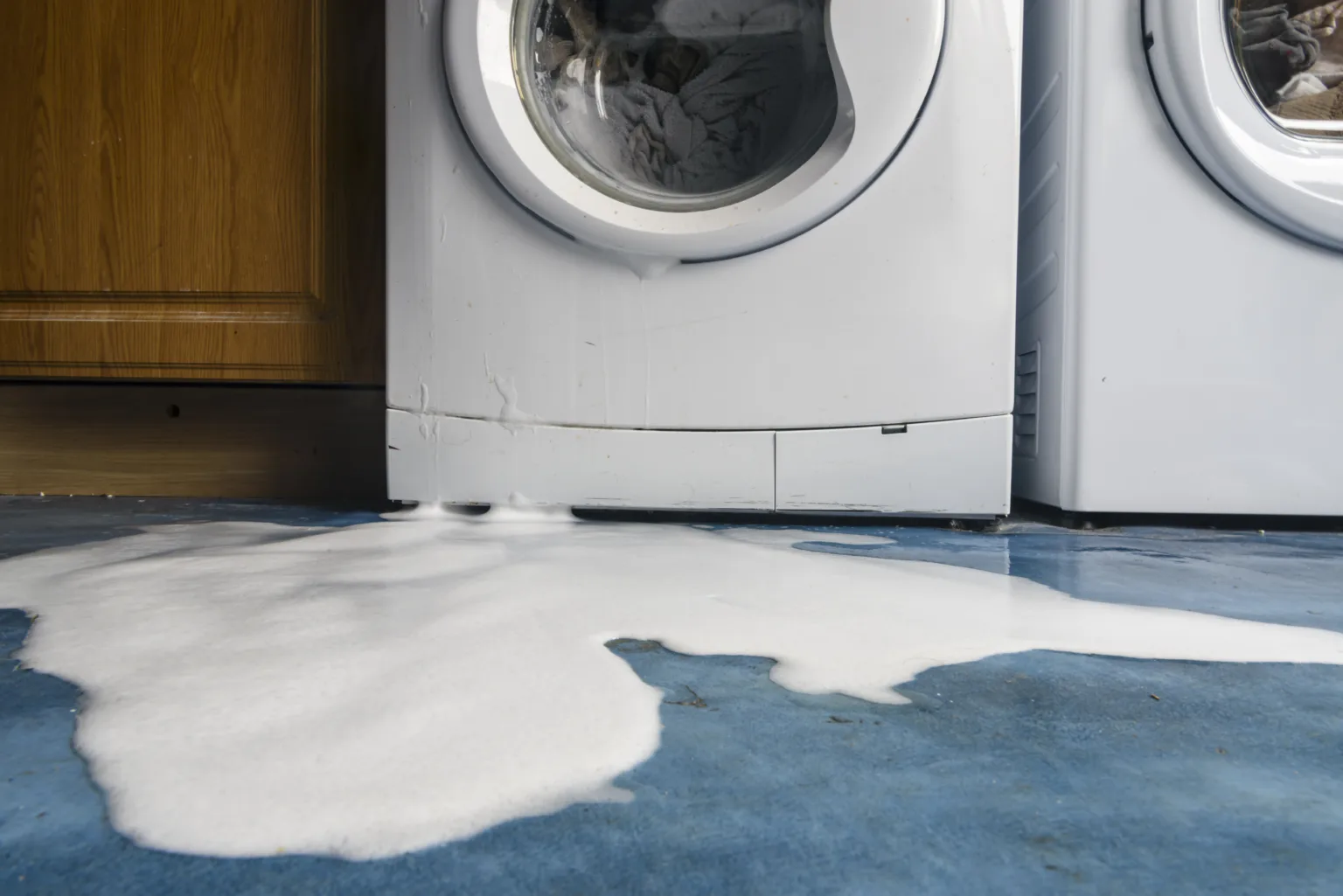
Are you one of the thousands of people hurt every year by a dangerous or defective product? Call Rasansky | McKenzie Law at (214) 651-6100 for a free consultation today.
Every year, thousands of people are hurt by dangerous and defective products. There are a variety of different products that you might see involved in a Dallas product liability lawsuit, including baby’s products, automobile parts, and medical devices.
Any kind of consumer product could potentially be a dangerous or defective product. If that product causes injury or illness to anyone who purchases and uses that product, they may get sued for product liability. A product may pose danger due to a design defect, a manufacturing defect, or a marketing defect. Here are some explanations for each of those.

Our entire legal team is focused on one word: You. You are the most important part of our practice: you, your family, your suffering, your livelihood, and your needs. Let us put our passion for helping others to work for you.

Design Defect
In the case of a design defect, the product’s original design is somehow inherently defective. Examples include:
- Children’s products that have choking hazards
- Defects in an automobile part or vehicle
- Unstable chairs, tables, or other structures that collapse
- Helmets that break or crack from slight impact
- Products prone to melting
Manufacturing Defect
Rather than inherent in the design of the product, this is when a mistake is made during the manufacturing process, such as:
- Parts that are attached incorrectly
- Plastic or other material that is improperly manufactured
- Electrical circuits that are improperly installed
- Bolts or fasteners that are the incorrect type for the product

Marketing Defect
If there is a failure to warn the consumer for a product that does pose a knowable danger, or if the product lacks appropriate instructions or warning labels for the consumer to be able to use it safely, it could cause an injury that leads to a Dallas product liability lawsuit. Here are some ways a marketing defect can occur:
- Improper warning label
- Incorrect user instructions
- Advertisements encouraging improper usage
- Failure to warn consumers of risks
- False claims
A defective product is a consumer product that causes injury or illness to a user during normal use due to a dangerous defect that the common consumer would not notice.
In instances where a common consumer would easily notice a defective product, they could return or exchange it where they purchased it from, but it’s better to also report the defect to the manufacturer.
The user can file a product liability claim if instructions or warnings are not clear or detailed enough, the product is unsafe, or it is inherently defective and the user experienced harm.
One example of a manufacturing defect is a car manufactured without an essential component of the brakes. Another is a medication mistakenly manufactured with an excess of a certain ingredient that made it hazardous to ingest. No matter your injuries, our Dallas product liability lawyers will fight for you to recover compensation.
Get Help TodayCommon Defective Products
Some of the most common defective products are:
- Food items
- Children’s toys
- Household appliances
- Cleaning products
- Pharmaceutical drugs
- Medical devices
- Industrial equipment
- Machinery

Defective Children’s Products
One major category of dangerous products is children’s products. Due to their purpose of intended use for children, they must adhere to specific product safety standards and testing. Whether they are toys, clothing, or furniture, these types of defects cause injuries through choking hazards, harmful chemicals, or improperly made parts.
Fidget spinners are an example of children’s products that are a choking hazard to small children. Although they look safe enough, many fidget spinners are made for children aged 6 and up, while others vary in age groups. Reputable sellers have product safety labels with warnings that they are choking hazards.
Phthalates are a controversial chemical that has been found in some children’s products along with plastic packaging. Because the amounts have endocrine-disrupting and other health effects, complaints against them have led to the invention of BPA-free consumer products.
That’s why it’s important to read the labels. When the product is unsafe for its intended age group or demographic, it is defective. Keep in mind that the conditions that make it defective must occur during normal usage. If it is under excessive or improper usage, the injuries caused by the product are not an issue for the average consumer and do not constitute a product liability claim.

Defective Drugs and Medical Devices
Another major type of defective and dangerous product claims are medications and medical devices. Pharmaceutical liability claims are classed as one of the following categories:
- Drugs with dangerous side effects: It should always be up to the consumer to decide whether the risk of side effects is acceptable to them. Side effects can cause serious injuries and even death, so consumers have a right to make an informed decision. If a drug has a side effect that was not disclosed which caused injury or death, that consumer has the right to sue.
- Pharmaceuticals with false marketing: False marketing occurs when there was an exaggeration, lies, or non-disclosure of vital information, or the drug lacked proper warnings or usage instructions. The manufacturer, pharmacist, or doctor may be held liable.
- Medical devices with a manufacturing defect: If there is a manufacturing defect with a complex medical device, such as pacemakers, stents, implants, defibrillators, and kidney dialysis filters, injury could be imminent. The patient can experience serious injury or death due to any defect in such devices. An injured patient can file a product liability lawsuit against the manufacturer, distributor, and even physician. If they die, their loved ones can file a claim for wrongful death.
Food Fraud
Food fraud is the deliberate mislabeling of food products for financial gain. It occurs when the ingredients are mislabeled, which manufacturers sometimes do when there are fake ingredients used as cheap filler. Consumers deserve to know what they’re eating because of personal preferences, allergies, dietary or religious reasons – in other words, they want to get what they pay for. Some of the largest potential offenders of food fraud are companies that sell the following foods:
- Honey
- Olive oil
- Saffron
- Milk
- Orange juice
- Coffee
- Alcohol
- Fish
Household Appliances and Furnishings
Some home furniture contains VOCs (volatile organic compounds), which off-gas into people’s homes and can cause respiratory illness, breathing problems, and other reactions. Another issue with furniture is that when it is built in a defective way, it can collapse and cause injuries. Many of those people injured because of defective home furnishings are children, such as when the products tip off and fall on them.
The household products most often recalled are:
- Ranges and ovens
- Clothes washers and dryers
- Air conditioners
- Heaters and space heaters
- Refrigerators and freezers
- Countertop appliances
- Dressers and cabinets
- Shelving units

Defective Motor Vehicles and Vehicle Parts
Faulty vehicle parts and defective vehicles are dangerous for the drivers as well as everyone else on the road. Unfortunately, some defects are not visible or noticeable until the vehicle has been driven. Many vehicle parts affect the function of the vehicle to the point where it poses a serious threat to the driver’s life.
The inherent risk of purchasing a used vehicle as-is in its current condition means you may be getting a car that has a dangerous issue. The “lemon law” holds car salesmen responsible for selling defective cars in situations where the car’s buyer discovered a dangerous issue after a short period of time.
The laws also apply to the sale of new cars that consumers lease or buy and are unable to get repaired under the manufacturer’s original warranty.
What if you are purchasing a used car that has been recalled for safety reasons? Dealerships can sell used cars with active or open recalls, but not new ones. They do not have to research whether a particular used vehicle has had a recall, and if they do not know, they cannot be held liable for not telling you.
For this reason, it is extremely important to have a mechanic inspect any used vehicle you want to purchase and, if you are purchasing it from a dealership, to have a service contract or warranty. You should also make sure to check the vehicle history report and repair record, as well as read reviews for the make and model.
Get Help TodayYour Rights As a Consumer
Product liability law comes with a set of criteria and rules to protect against any kind of loss from the normal and expected use of a product. Texas law allows you to file a lawsuit against a manufacturer, distributor or other potentially liable party if you both encounter a dangerous product and get harmed by it. The term ‘product liability’ refers to the responsibility of the merchant or manufacturer to sell safe products to consumers. When that duty of care is breached, there are rights granted to all of us to seek compensation for any damages we may sustain from an injury caused by the product.
The most well-understood basic consumer right is the right to product safety. When consumers use the product as directed for their intended purpose, they expect that the product is reasonably safe. If it’s not entirely safe, consumers expect to be warned about it in clear and easily identifiable language. The law states that this is required.
That brings us to another right that consumers have with regard to the products they purchase, and that is the consumer right to be informed. In other words, you as a consumer are entitled to have sufficient information to compare alternatives and avoid misleading or false claims in labeling and advertising practices.
It is especially important for health care devices and medications, or anything a consumer puts into or near their body. This right is based on informed consent since consumers are likely to harm themselves when using a product about which they were not sufficiently informed. Laws against unfair competition and lawsuits regarding false claims led to this right.
The right to choose is a third consumer right. It means the ability to have a variety of competing goods and services. They should offer alternatives in terms of service, quality, and price so that consumers can make decisions about their purchases based on their needs and desires. Many statutory provisions such as antitrust and unfair competition laws exist to support this right.
A formidable fourth right is the right to be heard. This consumer right translates to the reporting of consumers’ concerns to the government, who assures consumers that it will protect them through administrative regulations and statutes. The result of this right creates alternatives to and encourages greater efficiency in existing consumer products.
When a product does not meet consumer standards because of an unexpected flaw, it should no longer be sold, and responsible parties in the supply chain must be held liable. If you’ve experienced physical injuries or harm to your health from a defective product, you can file a claim with a Dallas product liability lawyer.
Common Product Liability Claims
While any dangerous or defective product can lead to injury, here are some examples of the most common product liability claims:
- Defective medical devices and dangerous prescription drugs have been known to cause organ damage and other unexpected adverse health effects with incorrect or unclear warnings.
- Hospital beds or beds in nursing homes may be equipped with unsafe bed rail systems that cause entrapments.
- Children’s toys often have small parts that are a choking hazard, making them dangerous toys.
- Toasters, hair dryers, and other electrical appliances may have faulty wiring, leading to burns and electrocution.
- Other household products like clothing, kitchen appliances, power tools, lawnmowers, and even firearms are common targets of product liability claims.
- Broken limbs can result from the sudden breaking of a high chair or ladder.
- Head injuries are common with defective helmets for people who ride bicycles, motorcycles, or scooters.
- Food can be recalled after being tainted or improperly handled, leading to food poisoning or even death. Food fraud with fake ingredients or inadequate labeling of ingredients harms consumers’ health, and food with foreign objects results in injuries to consumers.
- Equipment or appliances can generate excessive heat or throw sparks, igniting nearby materials and causing damage to people and property.
- Defective automobile parts can cause car accidents resulting in injury. Explosions of tires, the car rolling over when turning corners, defective brakes causing accidents, and fuel tanks catching fire are some examples of injuries from manufacturing defects. Defective airbags, child car seats, and seatbelts have caused death.
- Defects in industrial equipment have caused fatalities and injuries.

The Three Types of Product Liability
When you have a product liability claim or lawsuit, it will be categorized as one of three specific kinds of liability: negligence, strict liability, or breach of contract. Here is the breakdown of each of these:
Negligence
Liability based on negligence holds the responsible party liable for failing to show an acceptable level of care. It focuses on the defendant’s conduct rather than the product, so the plaintiff must prove:
- The defendant owed a duty to the plaintiff
- The defendant breached that duty
- That breach caused injury to the plaintiff
- The plaintiff can quantify their damages
Strict Liability
Strict liability means that if a product was defective and caused injury to the plaintiff, the defendant must compensate for damages. It applies to all types of defects and there is no requirement for negligence to be proven in order to argue strict liability.
Breach of Contract or Warranty
This is one of the more difficult arguments to make in a product liability lawsuit, and isn’t as commonly seen. The general idea behind breach of contract is that when a product is sold to you, that essentially forms a contract between you and the seller of the product. That contract pertains to the fitness of the product to do what it is expected to do – for example, you should be able to drive an off-road vehicle off-road. To win a product liability case based on breach of contract, you need to be able to prove that there was direct communication between the seller and the buyer, which can be challenging to do. However, every case is different, so if you have any questions for our Dallas product liability lawyers, do not hesitate to give us a call.

Dealing with Dangerous and Defective Products
These numbers are shockingly high. In fact, injuries occur as a result of dangerous products so often that the CPSC recalls up to 400 products annually. The CPSC regulates over 15,000 products ranging from off-road vehicles and bike helmets to toys and electronics.
Product defects can result in brand mistrust, leading to loss of revenue. As a consumer, it is reasonable to assume that the products you purchase are safe. When that’s not true and you did not get a warning before using the product in the expected way, an injury may occur.
The CPSC’s job is to investigate product related injuries and determine, based on the volume of the product in the market, how severe and how likely the harm is to consumers overall.
Many people have dealt with a defective product at least once in their lives. However, most of the time it never amounts to more than just a complaint to your family or friends. If a product causes you or your loved one significant harm, you may wonder who to go to for help. A Dallas product liability lawyer, specifically from Rasansky | McKenzie Law, is highly recommended in this case. Proper legal representation will help you and your family determine what your damages are and who all the liable parties may be. They can then also get a lawsuit filed for you to start the negotiating process with any involved insurance companies. If you have provable damages, especially things like medical records, lost wages, and pain and suffering, you may have a valid product liability lawsuit.
Determining Liability in a Product Liability Lawsuit
Depending on the unique details of your product liability case, any of the following types of defendants may be named in the lawsuit:
- Manufacturers
- Dealers
- Suppliers
- Distributors
- Hospitals, physicians, or other healthcare providers
- Sales representatives
It’s not always apparent which party is responsible, and you need to know how to obtain the maximum compensation you are allowed under the law. An experienced Dallas product liability lawyer can help you determine all liable parties in your product liability claim and pursue them all to get you the maximum compensation possible under the law in the state of Texas.
How do you prove your product liability case?
To win your Dallas product liability case, you must be able to show that:
- The product is defective to some degree
- Your injuries were caused by the product
- Your injuries occurred with normal or instructed usage
- Your injuries had a financial impact (such as medical bills)
Medical records are essential as an objective source of information to directly connect the defective product to the victim’s injuries. Without proper evidence, the claim will most likely be dismissed. In other words, you may have a product that you have discovered to be defective, but you discover it prior to any injury occurring. In that case, there are no damages to seek compensation for, and thus, no lawsuit to file.

How to Report a Dangerous or Defective Product
It is important to keep yourself and other people safe by reporting dangerous and defective products. You can start with the product manufacturer.
- Have the date of purchase along with the product’s model or serial number. If you have sales receipts and warranty documents, even better.
- Read the product’s warranty pamphlet or card (if any) to see if it covers your issue and the steps you need to take.
- Decide if you want a refund, repair, or replacement of the product.
You will use this information to contact the product manufacturer and report the defect. You should report it to the Better Business Bureau and the U.S. Consumer Product Safety Commission if you do not receive a satisfactory solution. Other government agencies may handle the specific product you need to report. For instance, the FDA and the USDA handle food-related products and the NHSTA handles cars.
If you have been injured or lost a loved one due to a defective product, you should contact a Dallas product liability lawyer before you report it anywhere else. We can give you the best legal advice for how to proceed. Let’s make sure you do not take any steps that could inadvertently hinder your potential compensation claim.

Representing Injured Victims of Dangerous Products in Texas
- Seek medical attention immediately
- Conserve the product and proof of purchase
- Document the information and your injuries
- Avoid speaking about it on social media
- Contact a Dallas product liability attorney as soon as possible
Representing Injured Victims of Dangerous Products in Texas
Rasansky | McKenzie Law has represented clients in personal injury and wrongful death cases in the Fort Worth and Dallas area for 27 years. Our lawyers truly care and will do everything in our power, including using our own resources and giving individualized care to each client, in an effort to maximize your recovery and help you move on with your life after a life-altering injury or loss due to a defective product.
Our Dallas product liability attorneys offer a free initial consultation to evaluate your claim and review your legal options. If we are able to take your case, we will do so on a contingency fee basis, meaning we don’t receive payment unless your case is successful.
You are Protected by Product Liability Laws
Because we live in such a consumer-driven culture, it is important for our country and the state of Texas to have laws addressing product liability. We all come into contact with hundreds, if not thousands, of products every single day, so we deserve to be reasonably safe in doing so and receive a proper warning if there is a potential danger.
Our Dallas product liability lawyers understand how to apply these laws to hold any and all negligent companies or people in the harmful product’s chain of custody (the designer, parts supplier, manufacturer, distributor, wholesaler, retailer, etc.) potentially liable for damages if a product injures an individual because it was dangerous or defective.
If you feel that you have been injured because of a defective or otherwise unsafe product, you may be entitled to seek monetary damages under Texas product liability law. Dallas product liability attorney Jeff Rasansky and his firm of legal professionals will give you the best chance at recovering the compensation you deserve. Please call (214) 416-9068 today to take the first step in fighting for your rights. We can hold accountable those responsible for the pain and suffering caused to you and your family.
Damages for Dangerous or Defective Products
Many people wonder exactly what they can be compensated for in the event that they are injured due to a defective or dangerous product. Generally in all personal injury lawsuits, there are a couple of categories of compensation you can claim. These are described as economic and non-economic damages.
Here are some examples of economic damages, which are damages that are quantifiable, like medical bills, lost wages, ongoing costs for hospitalization and medical treatment, as well as lost earning potential if the injury is long-term or if the injured person passed away.
Non-economic damages, on the other hand, refer to those less quantifiable but still every bit as important and relevant, like pain and suffering and the loss of enjoyment of life. The law defines the way in which we determine how much these types of damages are worth, and it will depend on the overall severity of your injury and how life-altering or long-lasting the effects of it will be on your life.
In the event that a person dies due to injury from a defective or dangerous product, there may be a wrongful death claim filed. In this case, other compensation may be claimed as well, such as funeral and burial expenses, and loss of consortium (loss of familial or intimate relations, as with a spouse).

Will a Product Recall Affect My Claim?
You have heard of many defective products undergoing recalls from their manufacturers. Regulators such as the CPSC subject products to recall if they prove to have a substantial hazard to consumers. The sales numbers for many products that have later been recalled total into the millions of dollars. Often, a manufacturer recalling a product will ask consumers to return the product to receive a refund, but first, they must sign a Non-Disclosure Agreement (NDA). This is known as a “silent recall.” Recalls do not expire, but they typically only offer refunds to consumers.
Such a practice of buying consumers’ silence avoids bad publicity from them talking to friends, and neighbors, posts on social media, or in tv interviews. It works against the consumer if they wish to file a complaint.
If you’ve been injured by a defective product, consider consulting with a product liability lawyer before signing an NDA. You may inadvertently make it impossible to recover compensation in a product liability lawsuit, depending on what you may have agreed to in the document you signed. If the company you are suing does not want you to talk about the situation, they may ask you to sign something before you can receive your settlement. In that case, your Dallas product liability lawyer can advise you on how to proceed.
What is the Statute of Limitations for Product Liability?
Product liability claims in Texas have a statute of limitations of 2 years from the incident of injury. However, there are a great deal of circumstances that could change what your statute of limitations is exactly in your specific case, so it is best to speak with an experienced Dallas product liability lawyer as soon as possible.
Talk to an attorney todayFrequently Asked Questions
What is product liability?
When a person is harmed because of an unsafe or defective item, they may suffer serious injuries and other long-term consequences. These types of injury claims are referred to as “product liability” claims. These claims are usually filed against a manufacturer and/or retailer whose negligence contributed to the injury.
What’s the deal with this massive airbag recall? Am I entitled to a free repair?
Takata, the company who produced the defective airbags specified in this massive recall, announced in May of 2015 that they are doubling the number of recalled vehicles in America from 18 million to nearly 34 million. This is by far the largest automobile recall in history, and one of the largest consumer product recalls ever issued.
According to the National Highway Traffic Safety Administration (NHTSA), these defective airbags can explode upon inflation, sending shrapnel into the face and body of the driver and front seat passenger. At least 17 deaths and well over 100 injuries have been tied to these defective airbags so far.
Car companies affected by this recall include, but are not limited to: Acura, BMW, Chrysler, Dodge, Ford, Honda, Infiniti, Lexus, Mazda, Mitsubishi, Nissan, Pontiac, Saab, Subaru, and Toyota.
This recall is so expansive that every car owner is being asked to contact their local dealership in order to determine if their vehicle has been recalled. Alternatively, you could check the NHTSA’s recall website at https://vinrcl.safercar.gov/vin/. Be aware that the most recent additions to this recall may not show up immediately through this web app, and the NHTSA recommends that you check back periodically.
If your vehicle is listed in this recall, you’re asked to contact the manufacturer’s customer service department or your local franchised dealership to inquire about scheduling a no-cost repair. If you’ve already been in an accident and were injured by airbag shrapnel, you may very well have a valid product liability claim with which our attorneys may be able to help. Call us for a free consultation at (214) 651-6100 for more information.
Could defective tires be to blame for my car accident?
All of the major tire companies, including Goodyear, Bridgestone, Michelin, and Cooper, have all announced defective tire recalls in recent years. And each year in Texas, hundreds of car accidents are caused by tire blowouts, separated treads, belt separations, sidewall defects, and split rims. While some of these accidents may be cause simply by the age of the tire or other considerations, other car accidents are caused by tire defects that should have been prevented by the manufacturer. If your Dallas car accident was caused by a defective tire, speak to our Dallas product liability attorneys today.
Could my car fire have been started because of a product defect?
Did you know that 20 percent of all reported fires are car fires? While there are many causes of car fires (such as poor maintenance or an intentional act) many car fires are caused by a manufacturer defect or a defective auto part.
Defective fuel systems and faulty wiring are two common auto manufacturer mistakes that can lead to serious car fires, car explosions, burn injuries, and even wrongful deaths.
If you were injured in a car fire that was caused by a defect in your vehicle, you may have a valid product liability claim. To talk with a Texas automobile product liability lawyer about your case today, call (214) 651-6100.
Why are drop-side cribs dangerous?
In 2011, the U.S. Consumer Product Safety Commission (CPSC) passed a law prohibiting the sale and manufacture of drop-side cribs.
Drop-side cribs are cribs where one or both sides of the crib can be moved up and down for better accessibility. While many parents found the drop sides convenient, drop-side cribs were responsible for at least 32 infant deaths between 2000 and 2010. According to the CPSC, an additional 3,520 incidents and injuries were reported from November 1, 2007, to April 11, 2010, involving drop-side cribs. Injuries included suffocation, strangulation, entanglement, broken bones, and skull fractures. Most of these injuries and deaths occurred when a drop rail partially detached and a gap formed between the drop rail and the mattress. The child was either fell through the gap or was caught and suffocated or strangled.
Under the new guidelines, crib manufactures are required to use stronger materials and hardware. Crib slats must be well attached and drop sides are banned. While you can still find drop-side cribs at yard sales and on Craigslist.org, our Dallas product liability attorneys suggest that you purchase a crib that meets the current safety guidelines.
The Dallas attorneys at Rasansky | McKenzie Law work to hold crib manufacturers responsible for injuries caused by defective or poorly made cribs. To discuss a crib injury claim, contact Rasansky | McKenzie Law at (214) 651-6100.
How can I be sure that I'm using safe baby gear?
In October 2012, nine out 24 consumer recalls were for children’s products. Every month, at least one highchair, stroller, or baby seat seems to be recalled. You are right to be concerned.
Here are a few tips to help you choose safe gear for your child.
Strollers – Strollers are one of the most frequently recalled children’s products. Many stroller recalls are due to a large gap between the stroller grab bar or tray and the seat bottom. If an infant is not properly harnessed, the child can slip through the gap into a strangulation hazard. Other strollers have been recalled because exposed hinges can amputate small fingers. Most companies offer free repair kits to fix these issues.
Cribs – since 2007, the Consumer Products Safety Commission (CPSC) has recalled 11 million cribs. Last year, the CPSC issued new rules for manufacturers of cribs. Cribs must now be made of sturdier materials and must pass tougher product safety tests before they can be sold. Check your crib to make sure that it is properly assembled and that there are no gaps larger than two fingers between the sides of the crib and the mattress. If your crib has a drop-side, stop using it and see if a retrofitting kid is available from the manufacturer. Never use a crib that is more than ten years old.
Play yards – More than 2,100 accidents involving play yards have been reported to the CPSC. These incidents resulted in 170 injuries and 60 fatalities. In June, the CPSC approved new safety standards for all play yards. These include stricter testing including stability testing, entrapment testing, and floor strength testing as well as minimum side height requirements and latch-and-lock mechanisms. If you use a pack and play, play yard, or play pen, make sure that the mattress pad is well-attached and that you are not using any extra padding. Discontinue use if you notice any problems with the hinges.
Baby seats – Millions of Bumbo seats were recalled after more than 75 babies suffered head fractures when they arched their backs or rocked and tipped the seats over. If you have a Bumbo seat, make sure it includes a restraint belt. Never use it on a raised surface.
Check manufacturer web sites – Manufacturer websites are the best place to find information about recalls and safety alerts. You can also fill out online product registrations to have recall notices mailed or emailed to you.
If your child is injured by a defective children’s product, our Dallas product liability lawyers can help you get accountability and compensation through a Texas defective product lawsuit. To discuss your claim, contact Rasansky | McKenzie Law at (214) 651-6100.

Speak With an Attorney for Free
The caring and compassionate lawyers at Rasansky | McKenzie Law are available to speak to you about your potential case free of charge. If we can help with your claim, we’ll do so for no out-of-pocket cost to you. Call us 24/7 at (214) 416-9068.