
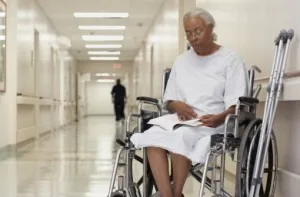

Abandonment and neglect are forms of nursing home abuse.
- Your elder loved one does not receive food and water at regular intervals or when he or she is hungry or thirsty.
- Your elder loved one is not moved or turned in bed often, creating bedsores and other mental and physical health issues.
- Your elder loved one is not cleaned, helped to the bathroom, or changed at regular intervals.
- Your elder loved one does not regularly receive his or her prescribed medications or medical treatments.
- Your elder loved one is left unsupervised or unmonitored for long periods of time, either in his or her room or outside of the facility.
- Your elder loved one is not helped when he or she presses a call button or asks for assistance.
- Your elder loved one’s room, bed, or bathroom is not properly or regularly cleaned.
- Your elder loved one’s health or medical complaints go unheeded.
What are the possible consequences of abandonment?
- Dehydration and malnutrition.
- Bedsores and pressure sores.
- Infection or infestation.
- Undiscovered health issues and injuries.
- Fall accidents.
- Wandering and elopement.
- Mental health issues.
- Pain and suffering.
- Death.
Nursing home abandonment is a serious issue – and one that is often at the heart of Texas nursing home abuse and neglect cases. Abandonment can be caused by a lack of nursing home staff, untrained nursing home staff, poor nursing home policies, and plain neglect. You can look for signs of nursing home abandonment when visiting your loved one by examining the cleanliness of the room, observing the staff’s activities, and, if possible, talking with your elder loved one.
Has a nursing home resident close to you suffered serious injury because of Texas nursing home abandonment? See that they get justice. Speak to a Dallas nursing home abandonment attorney at Rasansky | McKenzie Law today by calling (214) 651-6100.