
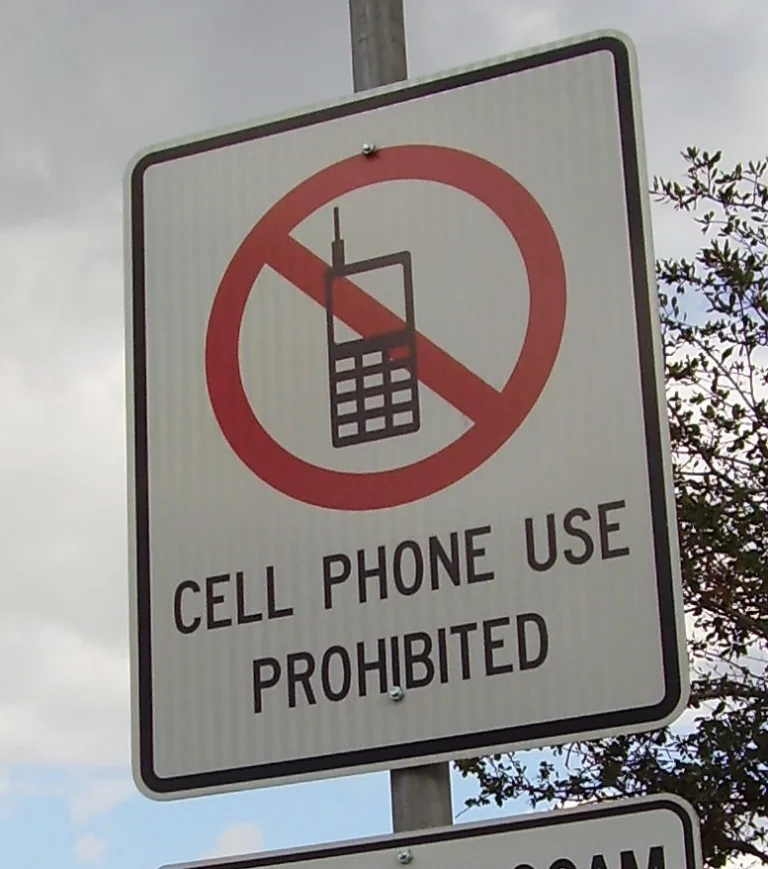


Texas lawmakers are planning (once again) to introduce a bill banning texting and driving statewide, but will it become law?

Will Texas Finally Ban Texting & Driving?
UPDATE 06/07/2017: Governor Greg Abbott announced on June 6th that he’s signed House Bill 62 into law. Starting September 1st, 2017, texting and driving is now illegal in Texas!
UPDATE 04/12/2017: After a lengthy and animated debate, the proposed law—House Bill 62—has cleared the Texas House of Representatives by a 114-32 vote. A counterpart bill—Senate Bill 31—will now be sent to the Texas Senate for a vote. The bill needs the support of at least 19 senators to pass, which proponents believe they now have.
Supporters of the proposed ban plan to push for a bill outlawing texting and driving law in 2017 (during the 85th legislative session), but there is some republican opposition to the proposed law. Their argument has been that a statewide law would not make any difference regarding the safety of drivers, and infringes on individual freedoms of the adult drivers in Texas.
It’s important to note that this is in direct contradiction to data provided by the Texas Department of Transportation, which reported more than 100,000 car accidents caused by distracted drivers in 2015 alone.
Both sides are ready to discuss their opposing views on the matter again, but even the supporters of the proposed law are skeptical that it will pass during the upcoming 85th legislative session. This is a reasonable concern, seeing as how lawmakers have thwarted the bill from becoming law multiple times already in recent years.
While a ban on texting and driving passed in 2011, it was vetoed by then-governor Rick Perry. Again in 2013 an anti-texting-and-driving proposal was passed, but failed to become law after the Senate Transportation Committee refused to allow a vote on the bill. In the last (84th) legislative session which occurred in 2015, a similar texting and driving bill made it past the Texas House panel, but it was one vote short of going before the Senate.
Facts and statistics related to texting and driving.
- While Texas has so far failed to enact a statewide ban on texting and driving, over 100 Texas cities currently have local ordinances banning texting (or even holding a phone) while driving within their city limits.
- Texas currently bans texting and driving for all drivers under the age of 18, all commercial vehicle drivers, and all drivers within school zones.
- Statistics show that when a driver texts while driving, he or she is six times more likely to have an accident than a drunk driver.
- 1 out of every 4 car accidents in America is caused by texting and driving.
- 94% of drivers support a ban on texting while driving.
- 74% of drivers support a ban on hand-held cell phone use.
Personal freedom vs public safety.
According to one legislator, it appears that those who oppose such a law are more-concerned with personal freedom than public safety. While these arguments were also used to combat bills requiring air bags and seat belts many years ago, I think most of us can agree that protecting the “freedom” one gets from texting and driving is not worth putting everyone else on the road at risk.
To find and contact your state representative, click here.