
214.651.6100  Call or Text Now

New Texas Law Affecting Hurricane Harvey Property Damage Claims

Texas Hurricane Harvey Property Damage Insurance Claims

Submit Your Insurance Claims Before This Friday!

As many Texans are dealing with the devastating and historic flooding caused by Hurricane Harvey this weekend, a new Texas law is set to take effect at 12:01 AM on Friday, September 1. This new law will significantly impact you rights and under the Texas Insurance Code and specifically applies to property damage to homes and businesses involving “forces of nature” (e.g., hail, rain, floods, hurricanes, tornadoes, wind, wildfires, etc).


If you have property damage to your home or business related to Hurricane Harvey, you are strongly encouraged to make a claim with your insurance company—in writing—BEFORE Friday, September 1st, 2017. Remember to reference the details of your claim specifically, keep records of what you sent, and send your notice by certified mail return receipt requested.

What changes on September 1st?

In effect, the new law reduces penalties owed to you by insurers who fail to promptly pay a claim; imposes on a homeowner much more restrictive notice requirements; forces requirements on courts to compare the amount demanded in a pre-suit notice letter to the amount of damages awarded in an attempt to reduce recoverable attorneys’ fees; and allows insurance companies to assume the liabilities for its agents and employees so that most of these cases will wind up in federal court.

As originally filed, the bill would have only addressed claims relating to hailstorms. Unfortunately, it was later amended to include other severe weather-related events including earthquakes, wildfires, floods, tornadoes, lightning, hurricane, wind, snowstorms, or even rainstorms.

The new law states that:

  1. A claimant must provide the insurer notice 61 days before a lawsuit can be filed, as well as provide details including “acts or omissions” leading to the claim, the dollar amount the claimant believes they’re owed, and “reasonable and necessary” attorney fees already incurred (Sec. 542A.003).
  2. In order to have attorney fees covered in the lawsuit (so that you, the property owner, are not forced to pay an attorney out of pocket), the policyholder has to comply with pre-suit stipulations, including asking for the appropriate amount of compensation. If the lawsuit asks for too much money, you may not be able to recover your attorneys’ fees (Sec. 542A.007). For example:
    1. If you win your lawsuit and a jury awards 80% or more of what you requested in the pre-suit notice, then your attorneys fees are covered in full.
    2. If you win your lawsuit and a jury awards 20% or less than what you requested, then no attorneys fees are awarded at all.
    3. If you win your lawsuit and a jury awards 21-79% of what you requested, then attorney fees are pro-rated.
  3. A claimant must permit the insurance company to perform an inspection upon request after receiving a pre-suit notice (Sec. 542A.004).
  4. A claimant’s lawsuit can be abated (in some cases automatically) when the claimant fails to comply with either the inspection or notice requirements (Sec. 542A.005).
  5. Insurance companies may elect to assume the liability of agents (including adjusters they hire), provided they give their claimants notice. This sounds innocuous, but does two things:
    1. If your lawsuit names an agent of the insurance company as a defendant, the claim is subject to dismissal with prejudice (preventing you from being able to re-file); and
    2. It allows out-of-state insurance companies to moving these lawsuits to federal court, which may be less friendly to plaintiffs (Sec. 542A.006).
  6. The new law also lowers the penalty interest rate that insurance companies owe when they fail to “timely and fully” pay a legitimate claim. The current 18% rate is being lowered to 5 percentage points above Texas’ judgment rate, which is currently at 5% (Sec. 542.060).

Why would Texas pass a law that strips away the rights of property owners like this?

The insurance industry in Texas has been pushing for this bill as a reaction to an increase in hailstorm-related property damage claims over the past few years. Unfortunately, our conservative legislature cowers to the interests of big business rather than protecting the average citizen of the State of Texas.

Ware Wendell, the Executive Director of Texas Watch, says that under HB 1774, “many insurance companies will pay property owners as little as late as possible. Texans can expect only more delays and denials from the for-profit insurance industry. The harmful effect of this legislation for homeowners, businesses, churches, and schools will be felt all across our state.”

Handling insurance claims is complex and one-sided.

Handling insurance claims for property related damage is a complex and one-sided process. Storm damages can be costly to fix, which is why we buy insurance. Many homeowners are even required to have a storm policy. As property owners, you pay your premiums in exchange for a promise that the insurance company will cover unexpected losses, but you must also understand that insurance companies are looking out for their bottom line.

It’s estimated that homeowner insurers in Texas have made over $4.5 billion in profits since 2012. This new legislation not only reduces the penalty insurers face for slow payments, it forces most storm-related property damage disputes into an overburdened federal court system, and limits the ability of property owners to recover their own attorneys’ fees if the amount they’re demanding differs from the amount the jury ultimately awards.

My home or business was damaged by Hurricane Harvey. What should I do?

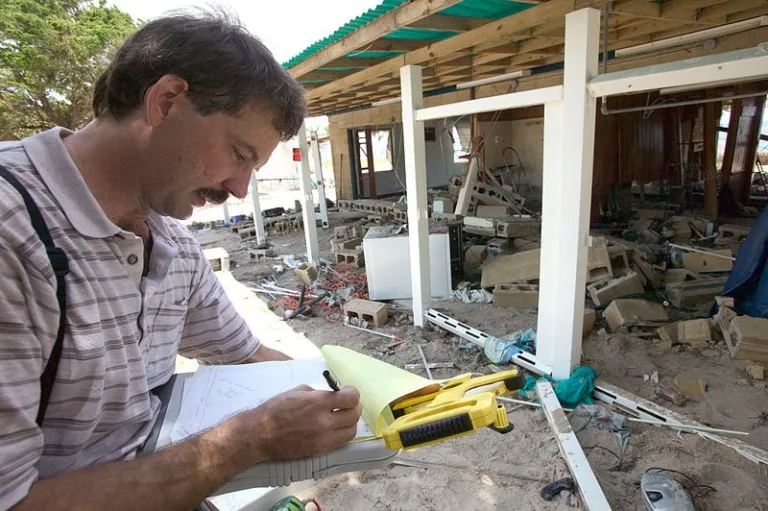
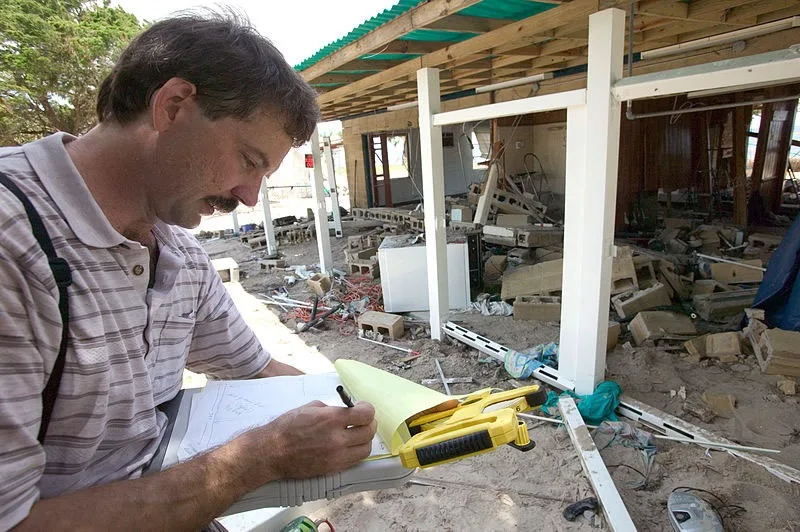
For those of you who are now facing the daunting challenge of putting your life back together after Hurricane Harvey, do not become a victim again by waiting to file your property damage claim until after September 1, 2017. File your claim as quickly as possible. Claims submitted on or after September 1st, 2017 will be handled according to these new rules, and insurance companies know this. Do not let them prevent or persuade you from filing your claim IMMEDIATELY, and be sure to keep records of what you sent, when you sent it, as well as any communications you receive from them.

Texas Hurricane Harvey Property Damage Insurance Claims
New Texas Law Affecting Hurricane Harvey Property Damage Claims

House Bill 1774, which was backed by the insurance industry and passed by the 85th Texas Legislature last month, goes into effect at 12:01 AM, Friday, September 1, 2017. This new law will curtail the ability of policyholders to sue insurance companies over property damage claims following extreme weather events. Essentially, the bill will make it much more difficult for homeowners and business owners to hold insurers accountable for underpaid claims or poorly handled claims’ investigations by cutting the penalties for insurers who offer inadequate compensation on weather-related property damage claims. You can see the text of the new law here.

Texas Hurricane Harvey Property Damage Insurance Claims

Submit Your Insurance Claims Before This Friday!

As many Texans are dealing with the devastating and historic flooding caused by Hurricane Harvey this weekend, a new Texas law is set to take effect at 12:01 AM on Friday, September 1. This new law will significantly impact you rights and under the Texas Insurance Code and specifically applies to property damage to homes and businesses involving “forces of nature” (e.g., hail, rain, floods, hurricanes, tornadoes, wind, wildfires, etc).


If you have property damage to your home or business related to Hurricane Harvey, you are strongly encouraged to make a claim with your insurance company—in writing—BEFORE Friday, September 1st, 2017. Remember to reference the details of your claim specifically, keep records of what you sent, and send your notice by certified mail return receipt requested.

What changes on September 1st?

In effect, the new law reduces penalties owed to you by insurers who fail to promptly pay a claim; imposes on a homeowner much more restrictive notice requirements; forces requirements on courts to compare the amount demanded in a pre-suit notice letter to the amount of damages awarded in an attempt to reduce recoverable attorneys’ fees; and allows insurance companies to assume the liabilities for its agents and employees so that most of these cases will wind up in federal court.

As originally filed, the bill would have only addressed claims relating to hailstorms. Unfortunately, it was later amended to include other severe weather-related events including earthquakes, wildfires, floods, tornadoes, lightning, hurricane, wind, snowstorms, or even rainstorms.

The new law states that:

  1. A claimant must provide the insurer notice 61 days before a lawsuit can be filed, as well as provide details including “acts or omissions” leading to the claim, the dollar amount the claimant believes they’re owed, and “reasonable and necessary” attorney fees already incurred (Sec. 542A.003).
  2. In order to have attorney fees covered in the lawsuit (so that you, the property owner, are not forced to pay an attorney out of pocket), the policyholder has to comply with pre-suit stipulations, including asking for the appropriate amount of compensation. If the lawsuit asks for too much money, you may not be able to recover your attorneys’ fees (Sec. 542A.007). For example:
    1. If you win your lawsuit and a jury awards 80% or more of what you requested in the pre-suit notice, then your attorneys fees are covered in full.
    2. If you win your lawsuit and a jury awards 20% or less than what you requested, then no attorneys fees are awarded at all.
    3. If you win your lawsuit and a jury awards 21-79% of what you requested, then attorney fees are pro-rated.
  3. A claimant must permit the insurance company to perform an inspection upon request after receiving a pre-suit notice (Sec. 542A.004).
  4. A claimant’s lawsuit can be abated (in some cases automatically) when the claimant fails to comply with either the inspection or notice requirements (Sec. 542A.005).
  5. Insurance companies may elect to assume the liability of agents (including adjusters they hire), provided they give their claimants notice. This sounds innocuous, but does two things:
    1. If your lawsuit names an agent of the insurance company as a defendant, the claim is subject to dismissal with prejudice (preventing you from being able to re-file); and
    2. It allows out-of-state insurance companies to moving these lawsuits to federal court, which may be less friendly to plaintiffs (Sec. 542A.006).
  6. The new law also lowers the penalty interest rate that insurance companies owe when they fail to “timely and fully” pay a legitimate claim. The current 18% rate is being lowered to 5 percentage points above Texas’ judgment rate, which is currently at 5% (Sec. 542.060).

Why would Texas pass a law that strips away the rights of property owners like this?

The insurance industry in Texas has been pushing for this bill as a reaction to an increase in hailstorm-related property damage claims over the past few years. Unfortunately, our conservative legislature cowers to the interests of big business rather than protecting the average citizen of the State of Texas.

Ware Wendell, the Executive Director of Texas Watch, says that under HB 1774, “many insurance companies will pay property owners as little as late as possible. Texans can expect only more delays and denials from the for-profit insurance industry. The harmful effect of this legislation for homeowners, businesses, churches, and schools will be felt all across our state.”

Handling insurance claims is complex and one-sided.

Handling insurance claims for property related damage is a complex and one-sided process. Storm damages can be costly to fix, which is why we buy insurance. Many homeowners are even required to have a storm policy. As property owners, you pay your premiums in exchange for a promise that the insurance company will cover unexpected losses, but you must also understand that insurance companies are looking out for their bottom line.

It’s estimated that homeowner insurers in Texas have made over $4.5 billion in profits since 2012. This new legislation not only reduces the penalty insurers face for slow payments, it forces most storm-related property damage disputes into an overburdened federal court system, and limits the ability of property owners to recover their own attorneys’ fees if the amount they’re demanding differs from the amount the jury ultimately awards.

My home or business was damaged by Hurricane Harvey. What should I do?

For those of you who are now facing the daunting challenge of putting your life back together after Hurricane Harvey, do not become a victim again by waiting to file your property damage claim until after September 1, 2017. File your claim as quickly as possible. Claims submitted on or after September 1st, 2017 will be handled according to these new rules, and insurance companies know this. Do not let them prevent or persuade you from filing your claim IMMEDIATELY, and be sure to keep records of what you sent, when you sent it, as well as any communications you receive from them.

About the Author
Anyone can hire a lawyer, but if you want to give yourself the best possible chance at success, call the experienced attorneys at Rasansky McKenzie. You only get one chance to bring your case before a court. Let them put their expertise to work for you.
© 2026 Rasansky | McKenzie Law
Attorney Advertising
Website developed in accordance with Web Content Accessibility Guidelines 2.2.
If you encounter any issues while using this site, please contact us: 214.651.6100
214.651.6100  Call or Text Now