

Be aware of the shortcomings of GPS turn-by-turn navigation.
1: They Aren’t Always Right
Dangers of GPS Navigation
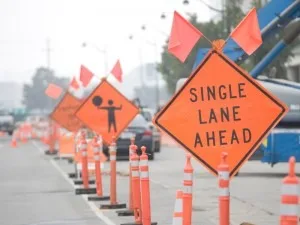
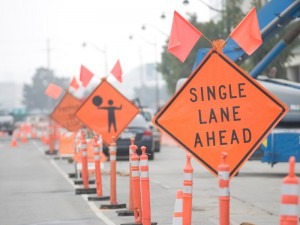
2: Watch Out for Construction
Some GPS units will be updated to reflect changes in roads due to new construction and some will not. Be sure you’re on your guard if you hit an area where there’s construction. If you listen to your GPS and disregard your own instincts as a driver, you may end up having an accident like turning onto a barricaded route or having some other type of wreck.
3: Pay Attention
Preferably, you should have your GPS mounted in a place where you can see it without taking your eyes off of the road. The dashboard or on a suction cup mount on the windshield both make great placements. If you have your GPS mounted below eye level, listen to the directions it gives you but be aware that looking down at the map may distract you from the road. Heads-up mounts are always preferable.
4: Use GPS Units and Maps Together
Maps are still valuable tools to have in your car. They don’t run out of battery and, even if your GPS goes out, you should have enough of an idea of where you are to be able to navigate from a map, even if you’re not particularly good with them. Make sure you use all your available resources to navigate, don’t depend on only one.
5: Spare Batteries
Carrying spare batteries for your unit is always a good idea. If you have a GPS that charges directly off of the accessory port, you should still carry spares.
Taking trips during the summer months can be a lot of fun. Aside from getting lost, however, there are plenty of drivers out there that pose real hazards. Call a car wreck lawyer if you’re injured by a negligent driver. An accident attorney can help you no matter where the wreck took place.