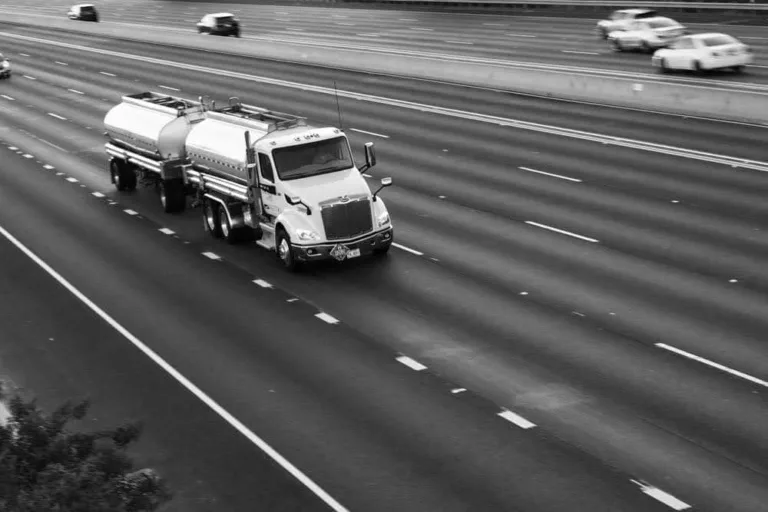
- Driving directly in front of a truck. Although trucks can see you when you are directly in front of them, they might not be able to stop suddenly if you need to. Because trucks can weigh up to 80,000 pounds, it takes big rigs a much longer time to come to a full stop. If you don’t leave enough room between your vehicle and the 18-wheeler behind you, you could be rear-ended.
- Driving directly behind a truck. Tailgating a truck is even more dangerous than tailgating a smaller vehicle. Because trucks are wider and taller than other cars, it can be difficult to see what obstacles are approaching on the road ahead if you are directly behind a big rig. In addition, if a truck is forced to stop suddenly, you could drive into the back of the truck – which is usually at the same height as your windshield. These truck accidents have extremely high fatality rates, especially for those traveling in the driver’s seat and front passenger’s seat.
- Diagonally to the left or right of the truck. Driving in a truck’s blind spots is a large risk, especially if a trucker takes changes lanes or takes a turn without knowing that you are behind it. In addition, these positions behind a truck could be dangerous in high wind conditions.
There are dozens of reasons why tractor-trailer accidents occur with such frequency in Texas. Some of these reasons have to do with negligent or careless truck drivers or trucking companies, however, many Dallas truck accidents take place because other drivers don’t understand the anatomy of a truck.
Because of their size, shape, and weight, semi-trucks operate much differently – and there are certain dangerous places called “no zones” that you should not drive near because of the increased chance of a truck accident. Keep in mind the commercial truck no zones.
Here are the four commercial truck “no zones”:



18-Wheeler No Zones and Blind Spots
There are dozens of reasons why tractor-trailer accidents occur with such frequency in Texas. Some of these reasons have to do with negligent or careless truck drivers or trucking companies, however, many Dallas truck accidents take place because other drivers don’t understand the anatomy of a truck.
Because of their size, shape, and weight, semi-trucks operate much differently – and there are certain dangerous places called “no zones” that you should not drive near because of the increased chance of a truck accident. Keep in mind the commercial truck no zones.
Here are the four commercial truck “no zones”:
- Driving directly in front of a truck. Although trucks can see you when you are directly in front of them, they might not be able to stop suddenly if you need to. Because trucks can weigh up to 80,000 pounds, it takes big rigs a much longer time to come to a full stop. If you don’t leave enough room between your vehicle and the 18-wheeler behind you, you could be rear-ended.
- Driving directly behind a truck. Tailgating a truck is even more dangerous than tailgating a smaller vehicle. Because trucks are wider and taller than other cars, it can be difficult to see what obstacles are approaching on the road ahead if you are directly behind a big rig. In addition, if a truck is forced to stop suddenly, you could drive into the back of the truck – which is usually at the same height as your windshield. These truck accidents have extremely high fatality rates, especially for those traveling in the driver’s seat and front passenger’s seat.
- Diagonally to the left or right of the truck. Driving in a truck’s blind spots is a large risk, especially if a trucker takes changes lanes or takes a turn without knowing that you are behind it. In addition, these positions behind a truck could be dangerous in high wind conditions.