

214.651.6100  Call or Text Now

Bruises, Bites, and Behavioral Changes: A Parent’s Guide to Recognizing and Responding to Texas Daycare Abuse

crying child

Key Takeaways

  • Parents often feel something is wrong at daycare before identifying specific issues, like unexplained injuries or behavioral changes.
  • Physical signs of concern include unusual bruising, bite marks, burns, unexplained fractures, and genital injuries.
  • Behavioral red flags include resistance to drop-offs, regression in development, nightmares, self-harm, and sudden changes in behavior.
  • When noticing warning signs, document injuries, seek medical evaluation, and report to Child Protective Services.
  • Documentation is crucial for legal claims against daycares; it preserves evidence and strengthens cases for abuse or neglect.

Your Instincts Are Evidence Too

Parents who eventually discover that their child was being harmed at daycare almost universally describe a period, sometimes weeks or months, when something felt wrong before they could articulate specifically what it was. Their child cried at drop-off when they used to run happily into the classroom. They stopped sleeping through the night. They flinched at the mention of a caregiver’s name. They came home with an injury that didn’t make sense. The daycare’s explanation was vague, inconsistent, or didn’t match the physical injury. These are not paranoid overreactions. These are warning signs that deserve to be taken seriously and documented.

Physical Signs: What Raises Concern

While not every bruise indicates abuse, certain physical presentations are medically and legally significant:

  • Bruising in soft tissue areas: In young, pre-ambulatory infants, any bruising is abnormal. In mobile toddlers, bruises on the forehead, shins, and knees are expected — but bruises on the face (especially around the eyes, ears, and neck), torso, buttocks, genitals, or upper arms are more concerning for inflicted injury.
  • Bite marks: Human bite marks, particularly those showing defined dental arc impressions, are almost never accidental. They may indicate aggression from another child that went unsupervised, or in the most serious cases, abuse by an adult.
  • Burns or scalds: Any burn on a young child requires explanation. Contact burns with a defined shape, symmetric scalds, or burn patterns inconsistent with the account given by the facility are highly suspicious.
  • Unexplained fractures: Spiral fractures in infants, fractures inconsistent with a child’s developmental stage, or multiple fractures in various stages of healing are classic forensic indicators of non-accidental trauma.
  • Genital or anal injuries: Any unexplained injury in the genital area requires immediate medical evaluation and reporting.

Behavioral Red Flags: The Signs That Live Inside the Child

In many abuse cases, behavioral changes are the most consistent and earliest warning signs, particularly in children too young to verbalize what happened:

  • Sudden, dramatic resistance to daycare drop-off in a child who previously enjoyed going
  • Regression to earlier developmental behaviors, such as thumb sucking, bedwetting, or loss of language milestones
  • Nightmares, sleep disturbances, or sudden fears in a child who previously slept normally
  • Aggression, self-harm, or unusual sexual behavior that is new and unexplained
  • Hypervigilance, freezing, or flinching in response to specific people, sounds, or environments
  • New vocabulary or descriptions of events that are age-inappropriate or that appear to reference specific incidents

What to Do When You Notice Warning Signs

Act methodically but urgently. Photograph all visible injuries immediately, with date/time stamps when possible. Seek medical evaluation — a pediatrician, forensic nurse examiner, or child advocacy center can document injuries professionally and in a way that preserves their evidentiary value. Make your own contemporaneous notes describing what you observed, what the daycare told you, and any inconsistencies between the two accounts. Request the incident report in writing and observe whether the facility’s account changes over time. Contact your local Child Protective Services (CPS) to make a report. Texas mandates that certain professionals report suspected abuse, and parents can also file reports directly. If the injury is serious, contact law enforcement.

Texas law allows injured children, through their parents as next friends, to bring civil claims against daycares for abuse and neglect. These cases are won or lost on evidence, and that evidence begins to deteriorate the moment the incident occurs. Medical records, CPS investigation files, law enforcement reports, and your own documented observations are the foundation of a viable claim. Surveillance footage is overwritten. Staff memories change. Employees leave and become difficult to locate. The steps you take in the first 48 to 72 hours after discovering a potential injury are often the most important actions in the entire legal case.

📞 FREE CASE REVIEW: If your child was hurt or abused at a Texas daycare, you do not have to figure out the next steps alone. The Texas daycare abuse lawyers at Rasansky | McKenzie Law have helped families throughout Texas hold negligent facilities accountable. Free consultation. We only get paid if you do.
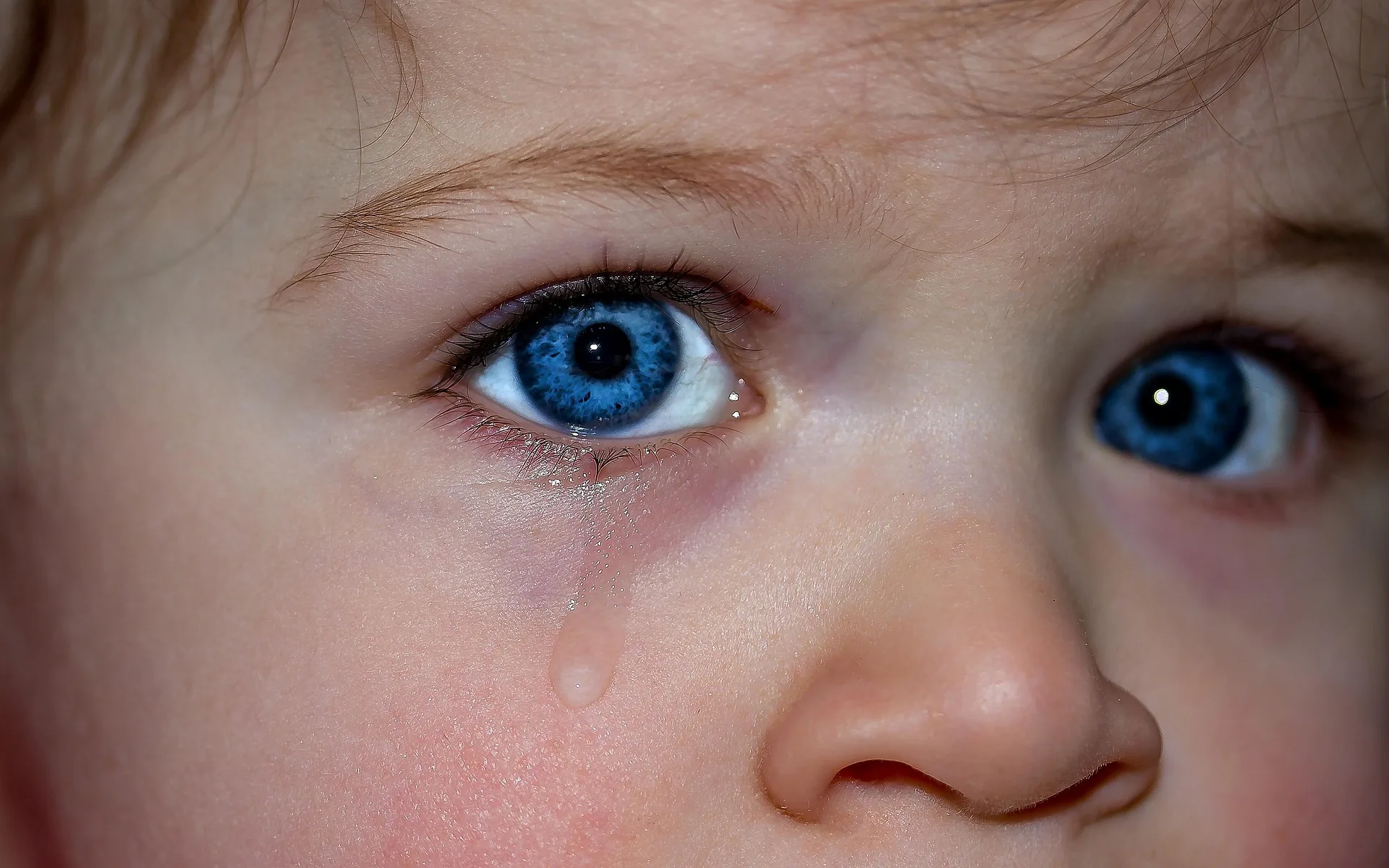
crying child
Bruises, Bites, and Behavioral Changes: A Parent’s Guide to Recognizing and Responding to Texas Daycare Abuse

Parents may notice early warning signs of daycare abuse or neglect before identifying a specific problem. Physical red flags can include unexplained bruises, burns, bite marks, fractures, or genital injuries, while behavioral changes may involve fear of daycare, nightmares, regression, self-harm, or sudden personality shifts.

Key Takeaways

  • Parents often feel something is wrong at daycare before identifying specific issues, like unexplained injuries or behavioral changes.
  • Physical signs of concern include unusual bruising, bite marks, burns, unexplained fractures, and genital injuries.
  • Behavioral red flags include resistance to drop-offs, regression in development, nightmares, self-harm, and sudden changes in behavior.
  • When noticing warning signs, document injuries, seek medical evaluation, and report to Child Protective Services.
  • Documentation is crucial for legal claims against daycares; it preserves evidence and strengthens cases for abuse or neglect.

Your Instincts Are Evidence Too

Parents who eventually discover that their child was being harmed at daycare almost universally describe a period, sometimes weeks or months, when something felt wrong before they could articulate specifically what it was. Their child cried at drop-off when they used to run happily into the classroom. They stopped sleeping through the night. They flinched at the mention of a caregiver’s name. They came home with an injury that didn’t make sense. The daycare’s explanation was vague, inconsistent, or didn’t match the physical injury. These are not paranoid overreactions. These are warning signs that deserve to be taken seriously and documented.

Physical Signs: What Raises Concern

While not every bruise indicates abuse, certain physical presentations are medically and legally significant:

  • Bruising in soft tissue areas: In young, pre-ambulatory infants, any bruising is abnormal. In mobile toddlers, bruises on the forehead, shins, and knees are expected — but bruises on the face (especially around the eyes, ears, and neck), torso, buttocks, genitals, or upper arms are more concerning for inflicted injury.
  • Bite marks: Human bite marks, particularly those showing defined dental arc impressions, are almost never accidental. They may indicate aggression from another child that went unsupervised, or in the most serious cases, abuse by an adult.
  • Burns or scalds: Any burn on a young child requires explanation. Contact burns with a defined shape, symmetric scalds, or burn patterns inconsistent with the account given by the facility are highly suspicious.
  • Unexplained fractures: Spiral fractures in infants, fractures inconsistent with a child’s developmental stage, or multiple fractures in various stages of healing are classic forensic indicators of non-accidental trauma.
  • Genital or anal injuries: Any unexplained injury in the genital area requires immediate medical evaluation and reporting.

Behavioral Red Flags: The Signs That Live Inside the Child

In many abuse cases, behavioral changes are the most consistent and earliest warning signs, particularly in children too young to verbalize what happened:

  • Sudden, dramatic resistance to daycare drop-off in a child who previously enjoyed going
  • Regression to earlier developmental behaviors, such as thumb sucking, bedwetting, or loss of language milestones
  • Nightmares, sleep disturbances, or sudden fears in a child who previously slept normally
  • Aggression, self-harm, or unusual sexual behavior that is new and unexplained
  • Hypervigilance, freezing, or flinching in response to specific people, sounds, or environments
  • New vocabulary or descriptions of events that are age-inappropriate or that appear to reference specific incidents

What to Do When You Notice Warning Signs

Act methodically but urgently. Photograph all visible injuries immediately, with date/time stamps when possible. Seek medical evaluation — a pediatrician, forensic nurse examiner, or child advocacy center can document injuries professionally and in a way that preserves their evidentiary value. Make your own contemporaneous notes describing what you observed, what the daycare told you, and any inconsistencies between the two accounts. Request the incident report in writing and observe whether the facility’s account changes over time. Contact your local Child Protective Services (CPS) to make a report. Texas mandates that certain professionals report suspected abuse, and parents can also file reports directly. If the injury is serious, contact law enforcement.

Texas law allows injured children, through their parents as next friends, to bring civil claims against daycares for abuse and neglect. These cases are won or lost on evidence, and that evidence begins to deteriorate the moment the incident occurs. Medical records, CPS investigation files, law enforcement reports, and your own documented observations are the foundation of a viable claim. Surveillance footage is overwritten. Staff memories change. Employees leave and become difficult to locate. The steps you take in the first 48 to 72 hours after discovering a potential injury are often the most important actions in the entire legal case.

📞 FREE CASE REVIEW: If your child was hurt or abused at a Texas daycare, you do not have to figure out the next steps alone. The Texas daycare abuse lawyers at Rasansky | McKenzie Law have helped families throughout Texas hold negligent facilities accountable. Free consultation. We only get paid if you do.

About the Author
Anyone can hire a lawyer, but if you want to give yourself the best possible chance at success, call the experienced attorneys at Rasansky | McKenzie. You only get one chance to bring your case before a court. Let them put their expertise to work for you.
© 2026 Rasansky | McKenzie Law
Attorney Advertising
Website developed in accordance with Web Content Accessibility Guidelines 2.2.
If you encounter any issues while using this site, please contact us: 214.651.6100
214.651.6100  Call or Text Now