

214.651.6100  Call or Text Now

Supreme Court Gay Marriage Ruling May Affect Wrongful Death Claims

Supreme Court Gay Marriage Ruling May Affect Wrongful Death Claims

Prior to this decision, same-sex partners who lived in states where gay marriage was not allowed could not file a lawsuit for damages arising out of the death of their partner. In most states, in order to file a wrongful death lawsuit, the beneficiary (the person who can legally file a wrongful death suit) must be the decedent’s spouse, parent, or child. The problem is that many same-sex couples who wished to be married but were not allowed to due to state regulation were not legally eligible to file a claim.

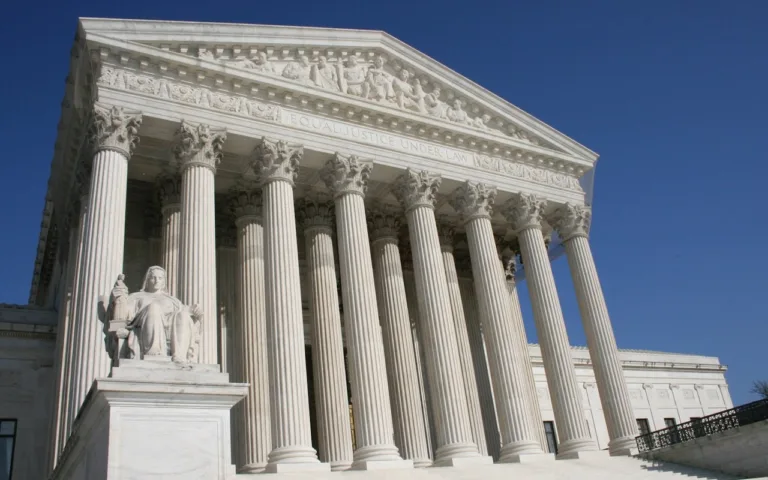
Supreme Court of the United States

Supreme Court of the United States

Loss of consortium.

Unmarried partners are also ineligible to bring a claim for loss of consortium in Texas, which is basically a claim for the loss of a relationship. The idea behind this type of claim is that there is real value to the loss of love, companionship, and affection that was lost as a result of a spouse’s death. These damages are added to the general pool of damages which are available in a catastrophic personal injury or wrongful death lawsuit.

Wills & estates.

Additionally, prior to the Supreme Court’s ruling, if a person in a same-sex relationship were to die without having made a will, their partner could not be appointed as the personal representative of the spouse’s estate. Now that all same-sex couples (regardless of their state of residence) may get married, those who do are simply provided the same legal benefits and protections as any married couple!

Supreme Court Gay Marriage Ruling May Affect Wrongful Death Claims

The new Supreme Court ruling which disallowed states from banning gay marriage has had many effects, some even reaching the realm of personal injury law.

Prior to this decision, same-sex partners who lived in states where gay marriage was not allowed could not file a lawsuit for damages arising out of the death of their partner. In most states, in order to file a wrongful death lawsuit, the beneficiary (the person who can legally file a wrongful death suit) must be the decedent’s spouse, parent, or child. The problem is that many same-sex couples who wished to be married but were not allowed to due to state regulation were not legally eligible to file a claim.

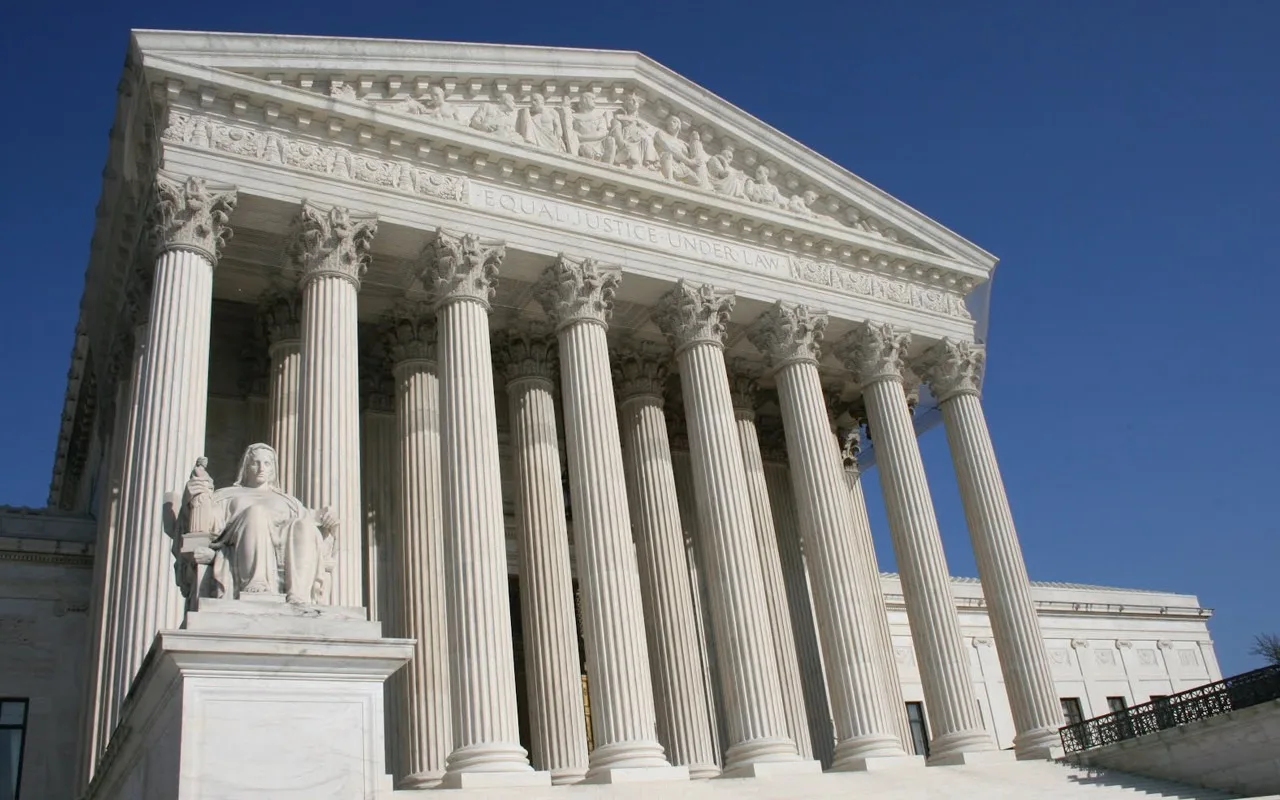
Supreme Court of the United States

Supreme Court of the United States

Loss of consortium.

Unmarried partners are also ineligible to bring a claim for loss of consortium in Texas, which is basically a claim for the loss of a relationship. The idea behind this type of claim is that there is real value to the loss of love, companionship, and affection that was lost as a result of a spouse’s death. These damages are added to the general pool of damages which are available in a catastrophic personal injury or wrongful death lawsuit.

Wills & estates.

Additionally, prior to the Supreme Court’s ruling, if a person in a same-sex relationship were to die without having made a will, their partner could not be appointed as the personal representative of the spouse’s estate. Now that all same-sex couples (regardless of their state of residence) may get married, those who do are simply provided the same legal benefits and protections as any married couple!

About the Author
Anyone can hire a lawyer, but if you want to give yourself the best possible chance at success, call the experienced attorneys at Rasansky McKenzie. You only get one chance to bring your case before a court. Let them put their expertise to work for you.
© 2026 Rasansky | McKenzie Law
Attorney Advertising
Website developed in accordance with Web Content Accessibility Guidelines 2.2.
If you encounter any issues while using this site, please contact us: 214.651.6100
214.651.6100  Call or Text Now