

Key Takeaways
- Delayed treatment of newborn jaundice can lead to kernicterus, causing serious neurological issues.
- Common causes of kernicterus include inadequate bilirubin screening and inadequate follow-up care.
- Parents often report significant symptoms like poor feeding and extreme sleepiness that healthcare providers must not ignore.
- Documenting bilirubin measurements and medical advice is crucial in building a kernicterus claim.
- Immediate legal action may be necessary if your child suffers from complications due to untreated jaundice.
Kernicterus Is Preventable, Which Is Why Cases Against It Are Legally Viable
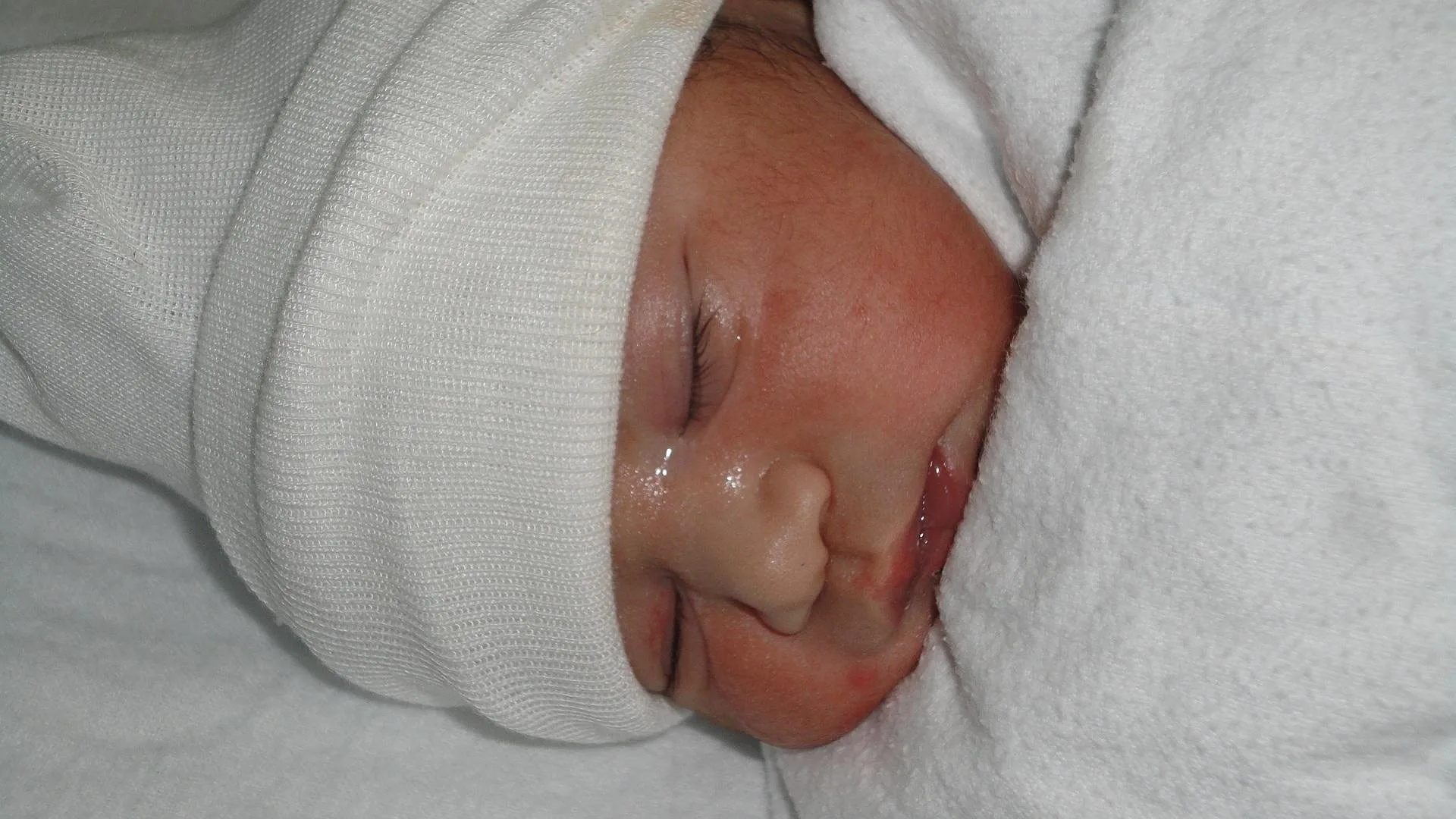
Neonatal hyperbilirubinemia (jaundice) is extraordinarily common; approximately 60% of term newborns and 80% of preterm newborns develop visible jaundice in the first week of life. In the vast majority of cases, jaundice resolves without intervention or responds quickly to phototherapy. But when bilirubin levels rise into the dangerously high range, typically above 25-30 mg/dL in full-term infants, and treatment is not initiated promptly, bilirubin crosses the blood-brain barrier and causes direct neurotoxic injury to the basal ganglia and other brain structures. The result, known as bilirubin-induced neurological dysfunction (BIND) or, in severe cases, kernicterus, can cause permanent athetoid cerebral palsy, hearing loss, vision impairment, dental enamel hypoplasia, permanent brain injury, and intellectual disability. Because the entire cascade is preventable with timely monitoring and treatment, kernicterus cases often represent a failure of basic, well-established newborn care.
Where the Failures Happen: The Five Most Common Breakdowns
Texas birth injury attorneys handling kernicterus claims have identified five recurring points of failure that appear across these cases:
- Failure to perform universal bilirubin screening before discharge: AAP guidelines recommend either universal pre-discharge bilirubin screening (transcutaneous or serum) or clinical risk factor assessment for all newborns. Facilities that skip this step send babies home without knowing whether their bilirubin trajectory puts them at risk.
- Early discharge without adequate follow-up: Bilirubin levels typically peak between days 3 and 5 of life, often after a baby has already been discharged. A baby sent home at 24-48 hours without a clear follow-up plan and specific return instructions is at risk if bilirubin rises rapidly in the days after discharge.
- Parents report worsening jaundice and are not taken seriously: Families often describe calling the pediatric office or nurse line to report that their baby’s yellowing was worsening, that the baby was difficult to wake, or that the baby was feeding poorly. If those calls were not escalated to bilirubin testing and clinical evaluation, that failure is legally significant.
- Elevated bilirubin results not acted upon: A lab value that was noted and not followed up with a timely treatment decision is often the single clearest example of negligence in these cases.
- Failure to use the Bhutani nomogram or risk-stratification tools: The standard of care for evaluating a newborn’s bilirubin result requires plotting the value on the Bhutani (or similar) nomogram against the baby’s age in hours. A value that appears safe in absolute terms may fall in the high-risk zone when properly plotted. Failure to use these tools appropriately is a departure from the standard of care.
Signs Families Described Before the Diagnosis Was Made
Parents in kernicterus cases frequently describe a consistent pattern in the days before the diagnosis was made: worsening yellow color spreading to the sclera and lower extremities; poor or absent feeding, difficulty latching; extreme sleepiness, difficulty waking the baby even for feeds; high-pitched, inconsolable crying; hypotonia (floppiness) or, in later stages, opisthotonus (arching); and in severe cases, seizure-like activity. These are not subtle symptoms. They are the warning signs the medical literature specifically identifies as indicating bilirubin-related neurological injury. When these symptoms were reported to providers and not acted upon, the records became evidence of negligence.
Records to Preserve Immediately in a Kernicterus Case
If your baby has been diagnosed with kernicterus or BIND, the records to request immediately include: all bilirubin measurements (transcutaneous and serum) taken during the hospital stay, the pre-discharge bilirubin nomogram plot if one was performed, the discharge instructions and any written guidance about jaundice warning signs, all follow-up appointment records in the first two weeks, call logs or patient portal records from parent calls about worsening jaundice, and all records from any emergency room visits or urgent care encounters during the jaundice course. These records, combined with the MRI that confirms the pattern of injury, establish the timeline that forms the basis of the claim.
📞 FREE CASE REVIEW: If your baby developed cerebral palsy, hearing loss, or another serious neurological condition after severe neonatal jaundice, and you believe that the jaundice was not recognized or treated in time, the birth injury team at Rasansky | McKenzie Law is ready to review the case. Free consultation, no