
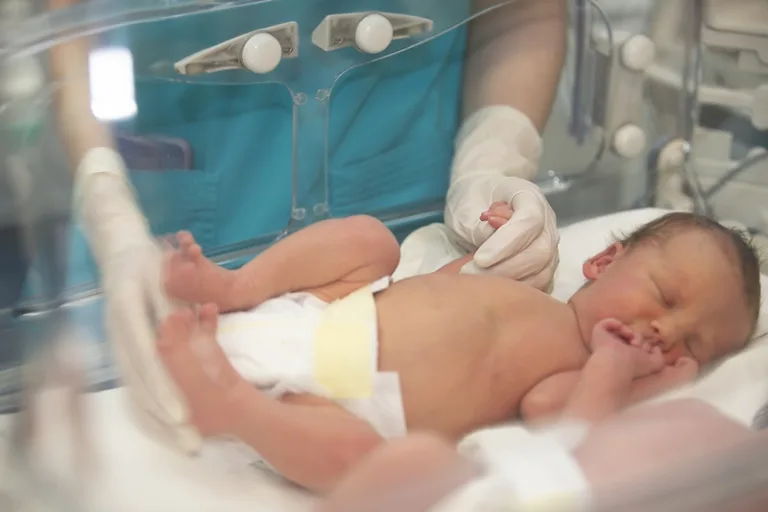

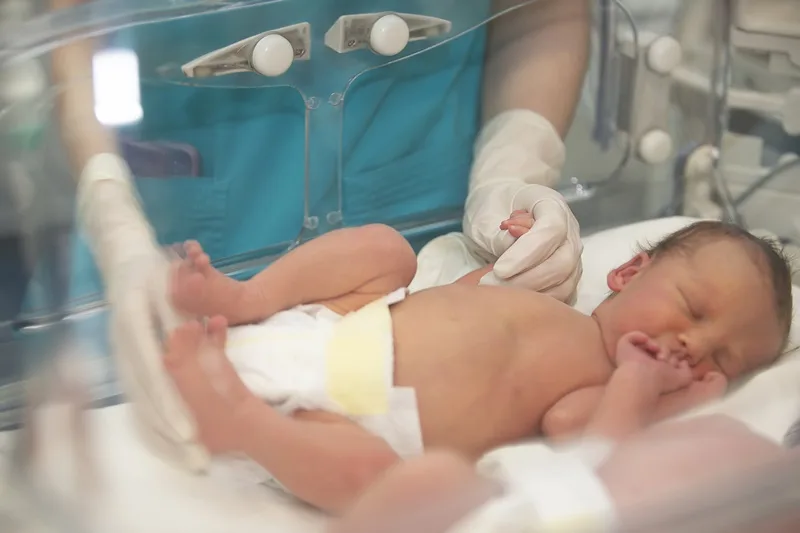
If you or your child were hurt during birth and delivery, you’re likely feeling devastated, stressed, and unsure of what to do next. What’s more, the extent of your child’s injuries will determine the length and type of medical treatment and rehabilitation he or she will require.
Thankfully, our law firm can assist those whose families are having difficulty affording necessary medical care after a birth injury caused by negligence. Read on for details on filing a birth injury lawsuit, then contact a Dallas birth injury lawyer right away to discuss your case.
Common Causes of Birth Injuries in Texas
Birth injuries have many potential causes, but surgical negligence is a major factor. For example, cerebral and Erb’s palsy are two common types of birth injuries that can arise from negligence. Incorrect use of forceps is another frequent contributor to delivery injury.
There is a good probability that you will have a legitimate medical malpractice claim if your child suffered a brain, spinal cord, or brachial plexus injury. Additionally, bone fractures are another warning indication of poor care.
Malpractice-Related Birth Injuries
So, what are some of the most common malpractice-related birth injuries? First, hydrocephalus is generally caused by trauma to the head or brain, particularly to the skull of the newborn. Brain tissue might be damaged when a baby’s head is pressed down too hard during birth, and blood vessels can burst. An infant with a brain injury may have permanent cognitive and physical impairments.
However, the most common type of birth injury is a fracture of the clavicle or collarbone. When the collarbone breaks during labor during delivery, it is called a clavicle fracture. The newborn’s size can cause clavicle fractures, the newborn’s shoulder getting caught during delivery, a limited birth canal, or the use of delivery aids.
Injuries caused by the use of forceps or a vacuum are sometimes necessary when a baby gets trapped in the birth canal during delivery. Still, if these tools are utilized incorrectly or in the wrong situations, they might cause serious harm.
Another common type of birth injury, Bell’s palsy, also known as a facial nerve injury, occurs when a baby’s facial nerves are damaged at delivery, usually due to forceps or other forms of medical negligence. Many children eventually regain control of their facial expressions, while some are left with lasting impairments.
Botched Deliveries and Cerebral Palsy
As mentioned above, cerebral palsy is one of the most frequently occurring birth injuries. There are four distinct types of cerebral palsy, each resulting from damage to a unique region of the brain. The National Institutes of Health report that spastic cerebral palsy accounts for about 80% of all occurrences of the disorder.
This nervous system disorder ultimately causes movement difficulties and can slow a child’s progress toward language and other developmental milestones. Unfortunately, it cannot be cured.
Furthermore, newborns who experience complications after a vaginal birth or a cesarean section are at increased risk for Erb’s palsy. During birth, your doctor may need to turn your baby’s head to one side so that the shoulders may come out. Nerves can be torn or otherwise damaged by overstretching. Erb’s palsy is birth damage to the brachial plexus, also known as obstetric brachial plexus palsy.
Infant Encephalopathy at Birth
Meanwhile, perinatal hypoxic-ischemic encephalopathy (HIE) is one of the newborns’ most severe and life-threatening forms of brain injury. An infant can develop HIE if his or her brain’s oxygen and blood supply are cut off or disrupted at birth (perinatal asphyxia), leading to the rapid death of brain cells.
Not only is HIE fatal, but it also leaves victims with permanent brain damage—about a quarter of those who make it will suffer from some sort of persistent brain injury.
Filing a Claim After a Texas Birth Injury
It all comes down to the claimant’s identity. First and foremost, the statute of limitations for a birth injury claim in Texas is two years after the parents diagnose the injury.
The mother and her unborn child undergo several physical transformations during pregnancy and labor. A genetic flaw or problem could be missed throughout a fetus’s development.
There is a standard of care required by law in Texas for hospitals and medical workers. While failing to recognize pregnancy-related disorders early is not always negligence, there is a standard. Two questions typically arise:
- Would the doctor or medical staff have detected this?
- If they had detected this, would they have done anything about it? Could they have prevented this?
Of course, it might be difficult to get straightforward responses from the hospital and its staff about a birth injury, especially if doctors and nurses have doubts about their own actions.
This is why it’s crucial to have a seasoned birth injury lawyer in Texas evaluate your medical records and the timeline of events.
Contact the Rasansky | McKenzie Law After a Texas Birth Injury
A birth injury attorney in Dallas can help you navigate the complex legal issues arising from a medical malpractice claim. Get in touch with a skilled Dallas birth injury attorney as soon as you suspect there may have been an issue during labor or delivery. The sooner you retain legal counsel, the better your chances of recovering compensation for the harm done to your family as a result of medical malpractice.
If your child has been injured, the Rasansky | McKenzie Law will fight for justice and financial compensation on your behalf. Our firm has been advocating for decades on behalf of victims of medical negligence and their loved ones.
We’ll look over the details, consult with professionals, and do whatever else has to be done to safeguard your legal interests. To learn more about how our Dallas birth injury lawyers may help you, don’t hesitate to get in touch with us today for a free consultation. Contact us at any time by calling (214) 651-6100.