

Product liability lawsuits commonly involve products such as vehicles, cribs and other baby products, over-the-counter and prescription drugs, medical devices, medical equipment, tainted foods, household products, toys, appliances, and even fireworks.
How do products become dangerous? Some defective products are produced due to a manufacturing mistake, while others have design flaws that make them inherently prone to causing injury. In other cases, products may not have been advertised correctly or the company that made or sold the product did not properly warn users of foreseeable dangers or how to safely use their product.
If you or a loved one has been injured due to a defective or otherwise unsafe product, we urge you to call Rasansky | McKenzie Law and discuss the facts of your case with our attorneys (for free) at (214) 651-6100.
Read more on product liability.
3M is a Minnesota-based company that served as a government contractor for manufacturing and selling combat earplugs to soldiers from 2003 to 2015. However, what’s shocking is that as per the Justice Department, 3M knowingly sold defective combat earplugs to the DLA (Defense Logistics Agency) without informing them about its faults. The company was aware the earplugs didn’t meet the military safety standards and could lead to permanent hearing loss among users.
Since 2003, the company has been touting about its dual-ended combat earplugs as the best product that is capable of providing both excellent noise protection and at the same time, it allows wearers to hear commands from fellow soldiers. What’s worse is that during the testing phase, 3M found that the basic function of the earplugs was faulty, but they falsified certification claiming that the testing conformed to the military standards, thereby purposefully providing defective equipment to the soldiers.
Furthermore, in the year 2006, the government signed a contract with 3M to supply an estimated total of 15,000 earplugs packages that included 50 pairs of earplugs per package. These were sold to the US military members until 2015, when the product was finally discontinued. However, 3M’s defective combat earplugs were not recalled. Therefore, these faulty earplugs are still being used by veterans and sold by vendors.
The damages from 3M’s defective combat earplugs have been profound. Hundreds of military officials are filing lawsuits against 3M for selling faulty earplugs, which did not maintain a tight seal and allowed loud sounds to pass through. The excruciatingly loud noise led to hearing loss, loss of balance and tinnitus.
Tinnitus is the perception of ringing or noise in the ears. It is the sensation of hearing a sound, such as ringing, buzzing, roaring, hissing, clicking and humming. Additionally, the sound may vary in pitch as well, such as from a low squeal to a high roar. This condition can affect one or both ears. Also, the sound inside the ears can be so loud that it can interfere with a person’s ability to actually hear or concentrate on external sounds. Tinnitus can be present in the ear at all times or it may come and go.
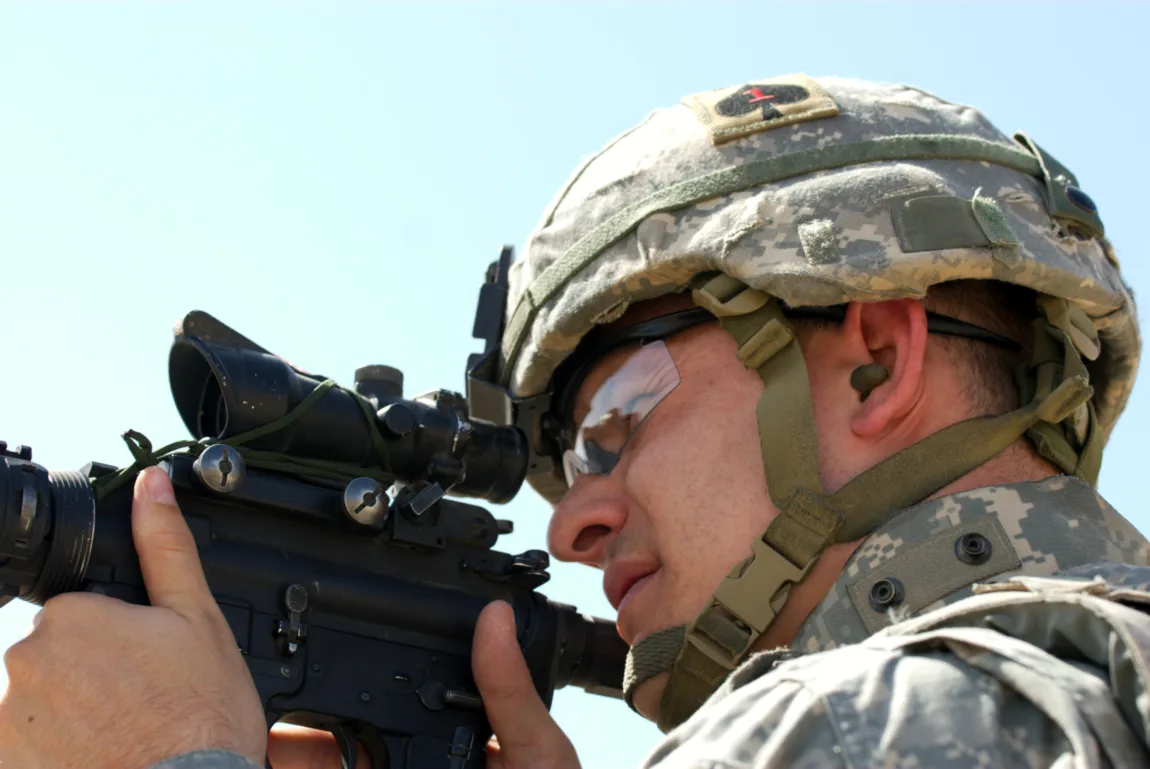
To resolve the allegations, 3M agreed to pay 9.1 million US dollars in settlement. As the original whistleblower case was filed under the False Claims Act, the settlement fund offered by 3M Company went directly to the US military. It is now being used to directly benefit and compensate injured soldiers suffering from hearing loss and tinnitus.
The lawsuit allegations, brought under the False Claims Act whistleblower provisions, allow private parties to sue on behalf of the government if they know that the lawsuit’s defendants submitted false claims for government funds. Moreover, the law also allows whistleblowers to share the funds recovered after a successful lawsuit. Thus, as part of the resolution, according to the Department of Justice, the whistleblower will now receive $1911000 as reward.
The Defense Criminal Investigative Service and other law enforcement parties are now working actively to hold companies accountable for supplying clients with substandard products. This targets particularly those products that have a direct impact on the US service members, their health and welfare.
recovery claim. Financial compensation can cover medical expenses, pain and suffering and other damages that you have experienced due to using 3M defective combat earplugs. However, to qualify for compensation, you must meet the following criteria:
- Have served as a military member between the years 2003 and 2015
- You were issued 3M defective combat earplugs during service
- You suffered from tinnitus or permanent hearing loss
For filing a lawsuit and recovering compensation in a timely manner, get in touch with our experienced product liability lawyers today. At Rasansky | McKenzie Law, we can provide you with quality guidance and assistance every step of the way. We are dedicated to helping clients get justice and fair compensation for their losses and injuries.
Frequently Asked Questions
What is product liability?
When a person is harmed because of an unsafe or defective item, they may suffer serious injuries and other long-term consequences. These types of injury claims are referred to as “product liability” claims. These claims are usually filed against a manufacturer and/or retailer whose negligence contributed to the injury.
What’s the deal with this massive airbag recall? Am I entitled to a free repair?
Takata, the company who produced the defective airbags specified in this massive recall, announced in May of 2015 that they are doubling the number of recalled vehicles in America from 18 million to nearly 34 million. This is by far the largest automobile recall in history, and one of the largest consumer product recalls ever issued.
According to the National Highway Traffic Safety Administration (NHTSA), these defective airbags can explode upon inflation, sending shrapnel into the face and body of the driver and front seat passenger. At least 17 deaths and well over 100 injuries have been tied to these defective airbags so far.
Car companies affected by this recall include, but are not limited to: Acura, BMW, Chrysler, Dodge, Ford, Honda, Infiniti, Lexus, Mazda, Mitsubishi, Nissan, Pontiac, Saab, Subaru, and Toyota.
This recall is so expansive that every car owner is being asked to contact their local dealership in order to determine if their vehicle has been recalled. Alternatively, you could check the NHTSA’s recall website at https://vinrcl.safercar.gov/vin/. Be aware that the most recent additions to this recall may not show up immediately through this web app, and the NHTSA recommends that you check back periodically.
If your vehicle is listed in this recall, you’re asked to contact the manufacturer’s customer service department or your local franchised dealership to inquire about scheduling a no-cost repair. If you’ve already been in an accident and were injured by airbag shrapnel, you may very well have a valid product liability claim with which our attorneys may be able to help. Call us for a free consultation at (214) 651-6100 for more information.
Could defective tires be to blame for my car accident?
All of the major tire companies, including Goodyear, Bridgestone, Michelin, and Cooper, have all announced defective tire recalls in recent years. And each year in Texas, hundreds of car accidents are caused by tire blowouts, separated treads, belt separations, sidewall defects, and split rims. While some of these accidents may be cause simply by the age of the tire or other considerations, other car accidents are caused by tire defects that should have been prevented by the manufacturer. If your Dallas car accident was caused by a defective tire, speak to our Dallas product liability attorneys today.
Could my car fire have been started because of a product defect?
Did you know that 20 percent of all reported fires are car fires? While there are many causes of car fires (such as poor maintenance or an intentional act) many car fires are caused by a manufacturer defect or a defective auto part.
Defective fuel systems and faulty wiring are two common auto manufacturer mistakes that can lead to serious car fires, car explosions, burn injuries, and even wrongful deaths.
If you were injured in a car fire that was caused by a defect in your vehicle, you may have a valid product liability claim. To talk with a Texas automobile product liability lawyer about your case today, call (214) 651-6100.
Why are drop-side cribs dangerous?
In 2011, the U.S. Consumer Product Safety Commission (CPSC) passed a law prohibiting the sale and manufacture of drop-side cribs.
Drop-side cribs are cribs where one or both sides of the crib can be moved up and down for better accessibility. While many parents found the drop sides convenient, drop-side cribs were responsible for at least 32 infant deaths between 2000 and 2010. According to the CPSC, an additional 3,520 incidents and injuries were reported from November 1, 2007, to April 11, 2010, involving drop-side cribs. Injuries included suffocation, strangulation, entanglement, broken bones, and skull fractures. Most of these injuries and deaths occurred when a drop rail partially detached and a gap formed between the drop rail and the mattress. The child was either fell through the gap or was caught and suffocated or strangled.
Under the new guidelines, crib manufactures are required to use stronger materials and hardware. Crib slats must be well attached and drop sides are banned. While you can still find drop-side cribs at yard sales and on Craigslist.org, our Dallas product liability attorneys suggest that you purchase a crib that meets the current safety guidelines.
The Dallas attorneys at Rasansky | McKenzie Law work to hold crib manufacturers responsible for injuries caused by defective or poorly made cribs. To discuss a crib injury claim, contact Rasansky | McKenzie Law at (214) 651-6100.
How can I be sure that I'm using safe baby gear?
In October 2012, nine out 24 consumer recalls were for children’s products. Every month, at least one highchair, stroller, or baby seat seems to be recalled. You are right to be concerned.
Here are a few tips to help you choose safe gear for your child.
Strollers – Strollers are one of the most frequently recalled children’s products. Many stroller recalls are due to a large gap between the stroller grab bar or tray and the seat bottom. If an infant is not properly harnessed, the child can slip through the gap into a strangulation hazard. Other strollers have been recalled because exposed hinges can amputate small fingers. Most companies offer free repair kits to fix these issues.
Cribs – since 2007, the Consumer Products Safety Commission (CPSC) has recalled 11 million cribs. Last year, the CPSC issued new rules for manufacturers of cribs. Cribs must now be made of sturdier materials and must pass tougher product safety tests before they can be sold. Check your crib to make sure that it is properly assembled and that there are no gaps larger than two fingers between the sides of the crib and the mattress. If your crib has a drop-side, stop using it and see if a retrofitting kid is available from the manufacturer. Never use a crib that is more than ten years old.
Play yards – More than 2,100 accidents involving play yards have been reported to the CPSC. These incidents resulted in 170 injuries and 60 fatalities. In June, the CPSC approved new safety standards for all play yards. These include stricter testing including stability testing, entrapment testing, and floor strength testing as well as minimum side height requirements and latch-and-lock mechanisms. If you use a pack and play, play yard, or play pen, make sure that the mattress pad is well-attached and that you are not using any extra padding. Discontinue use if you notice any problems with the hinges.
Baby seats – Millions of Bumbo seats were recalled after more than 75 babies suffered head fractures when they arched their backs or rocked and tipped the seats over. If you have a Bumbo seat, make sure it includes a restraint belt. Never use it on a raised surface.
Check manufacturer web sites – Manufacturer websites are the best place to find information about recalls and safety alerts. You can also fill out online product registrations to have recall notices mailed or emailed to you.
If your child is injured by a defective children’s product, our Dallas product liability lawyers can help you get accountability and compensation through a Texas defective product lawsuit. To discuss your claim, contact Rasansky | McKenzie Law at (214) 651-6100.
